
Why Puppy Evaluation Matters
Evaluating a Rottweiler litter is one of the most important responsibilities of a breeder. Done properly, it ensures you place puppies in the right homes, preserve breed quality, and maintain the balance, strength, and temperament the breed is known for.
The American Rottweiler Club (ARC) recommends evaluation around 7–8 weeks of age. At this stage, puppies show their natural proportions before growth spurts distort their balance.
When to Evaluate Rottweiler Puppies
- 3–5 Weeks – Temperament Watching
- Observe confidence, curiosity, and social interaction.
- Note which pups are bold, pushy, or more reserved.
- Too early to judge structure, but ideal for personality insights.
- 5–6 Weeks – Grooming Table Training
- Get puppies comfortable being handled and stacked.
- Don’t make final conformation judgments yet.
- 7–8 Weeks – Ideal Evaluation Window
- Best time for breeders to grade the litter.
- Puppies are coordinated and balanced without teenage growth distortions.
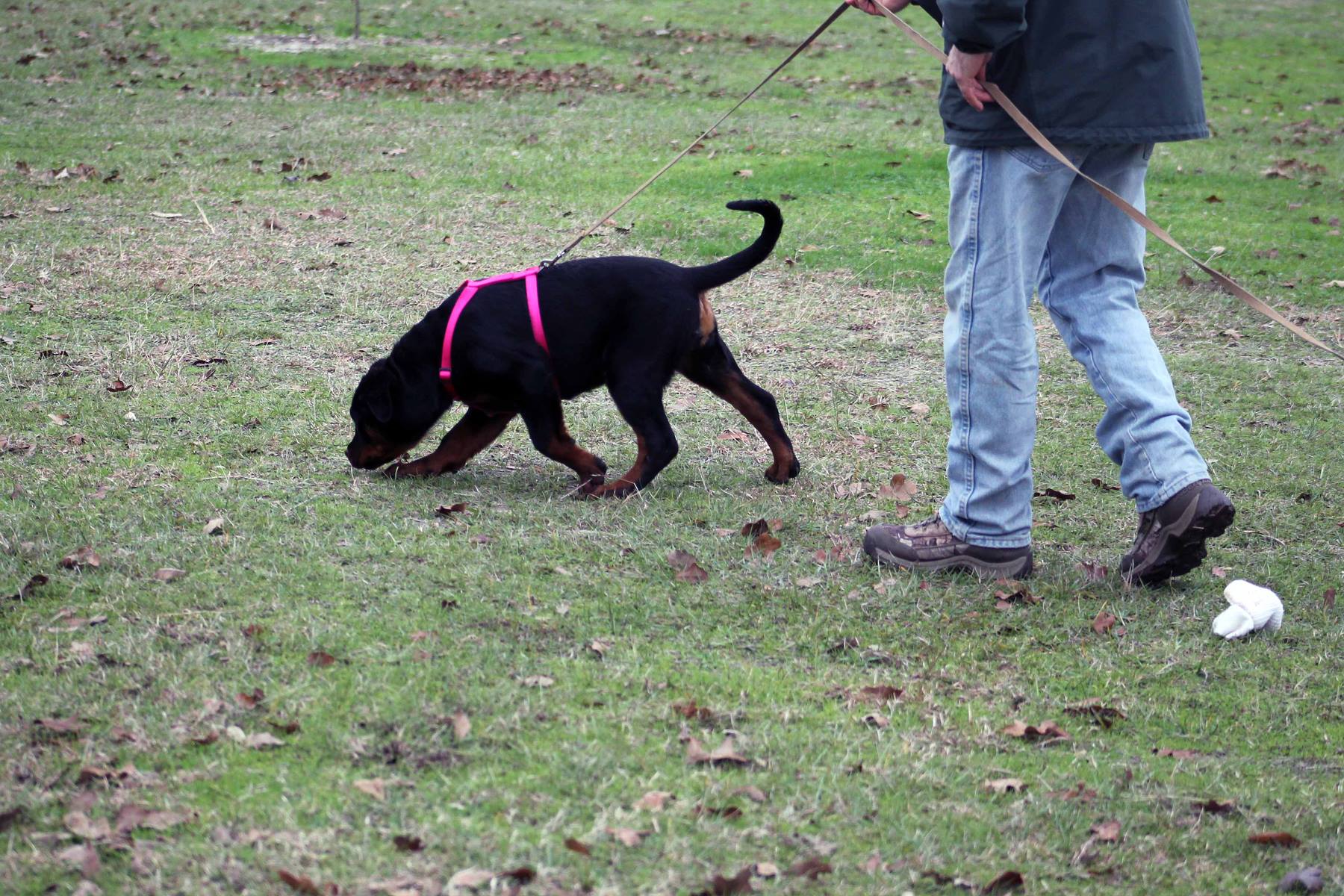
Step 1: Watch Puppies Move Naturally
- Place the litter in a safe yard or room.
- Look for:
- Puppies that move boldly with tails up.
- Confidence and self-carriage.
- A “natural presence” that draws your eye.
Movement at this stage can reveal which pups are unlikely to develop correct gait later.
Step 2: Structural Evaluation on the Table
When each puppy is stacked on the table, examine:
✅ Balance & Proportions
- No one feature should dominate.
- Puppies should be slightly longer than tall, appearing rectangular.
✅ Head & Expression
- Medium length with correct 3:2 backskull to muzzle ratio.
- Strong underjaw, broad skull, almond-shaped dark eyes.
- Correct ear set.
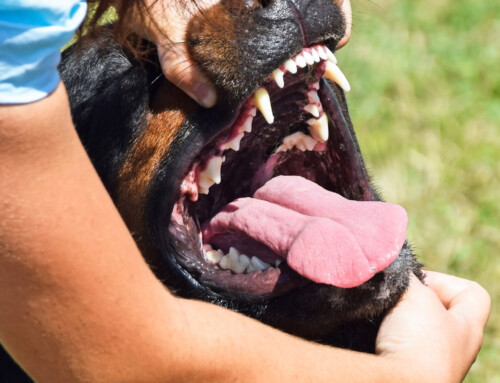
✅ Dentition
- Puppies should have a scissor bite with full dentition developing.
- Undershot or overshot bites are disqualifications.
- Watch for retained puppy teeth as they transition.
✅ Front Assembly
- Proper layback of shoulder and length of upper arm.
- Elbows close to the body.
- Paws positioned under the withers, not the neck.
- Avoid straight or short upper arms (common fault in the breed).
✅ Rear Assembly
- Rear legs straight when viewed from behind.
- Good bend of stifle, strong hocks, and efficient angles.
- Cow hocks or bow legs are major red flags.
✅ Topline & Tail
- Level topline from withers to tail.
- Slightly sloping croup with natural tail carriage at 1–2 o’clock.
- Avoid roached backs or flat croups.
Step 3: Evaluate Body & Size
- Chest & Ribbing: Depth of chest should be close to 50% of height; brisket should hang between the legs.
- Bone & Substance: Puppies should show strength without being coarse.
- Size Clues: Large feet, pastern length, and wrist “knobs” help predict adult size.
- Gender Type: Dogs should look masculine; bitches should look feminine.
Step 4: Temperament Testing
Rottweilers must be confident, courageous, and stable.
- Look for pups that engage without fear.
- Avoid puppies that show excessive shyness or aggression.
- Confidence at 7–8 weeks is a strong predictor of adult temperament.
Step 5: Use Photos for Accuracy
- Photographs “freeze” the puppy, making it easier to study proportions and topline.
- Compare shoulder placement, ribbing, and leg set across the litter.
- Helpful for tracking development from 7 weeks to 12 weeks.
Common Red Flags
- Overshot/undershot bite or missing teeth (disqualification).
- Cow hocks, weak pasterns, or toeing in (serious structural faults).
- Flat toplines, roached backs, or lack of forechest.
- Light or round eyes, poor ear set, or washed-out markings.
Step 6: Grading the Litter
- 1 Top Show Prospect (in a litter of 6–8, if well bred).
- 2–3 Possible Show Prospects.
- The rest are excellent companion or working puppies.
Rule of thumb: Never place a puppy as “show quality” that you wouldn’t proudly own yourself.
Key Takeaways
- Evaluate puppies at 7–8 weeks for the best accuracy.
- Focus on balance, structure, temperament, and breed type.
- Use movement, table exams, and photos to confirm impressions.
- Be honest — sentimentality harms breeding programs long-term.
- Ask experienced mentors to confirm your grading.
A well-evaluated litter gives every puppy the best start and preserves the noble, powerful essence of the Rottweiler.
Quick Checklist for Breeders
- Observed temperament at 3–5 weeks
- Introduced puppies to grooming table at 5–6 weeks
- Table evaluation at 7–8 weeks (balance, head, topline, angulation)
- Checked dentition and bite
- Assessed eye color and pigment
- Watched natural movement and tail carriage
- Compared size indicators (feet, pasterns, wrists)
- Took stacked photos for records
- Classified litter honestly (show, possible show, companion)