An Interactive Guide to Raising, Evaluating, and Preserving the Breed
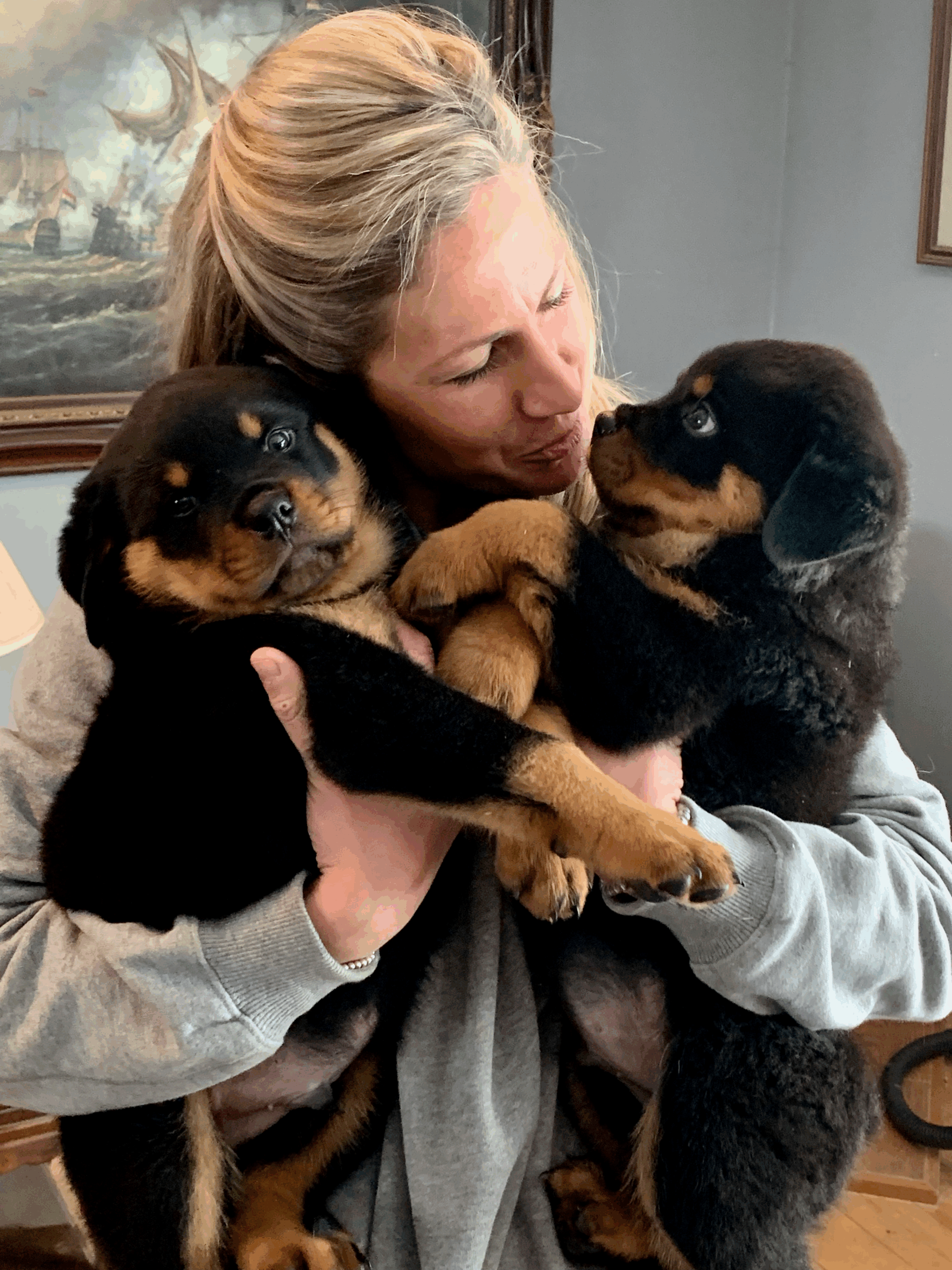
Breeding Rottweilers is a responsibility, not a pastime. Each decision a breeder makes — from choosing a stud to selecting puppies for the next generation — impacts the future health, type, and reputation of the breed.
The Rottweiler is not just another working dog. It is a breed with centuries of history as a guardian, drover, and protector, and today thrives as a police partner, service dog, competitor, and beloved family companion.
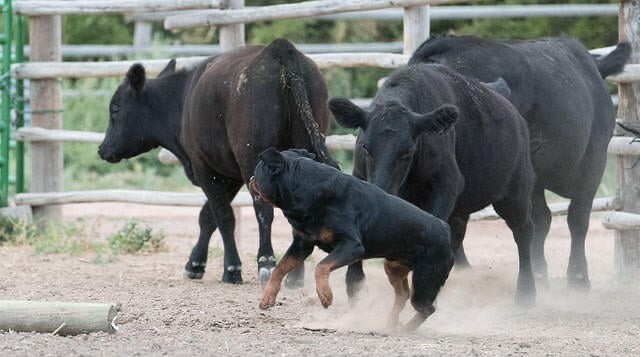

Ethical breeders act as stewards of this legacy. That means producing dogs that are:
- Structurally sound for work and longevity
- Mentally stable with correct temperament
- Balanced in type — robust but not coarse, noble without exaggeration
Breeding Rottweilers is more than producing puppies — it is about shaping the future of the breed. The Rottweiler’s legacy as guardian, worker, and companion depends on breeders committed to sound structure, correct temperament, and ethical choices.
Key Insight: Every litter you produce either strengthens or weakens the breed. Education ensures your breeding program leaves the breed better than you found it.
Breeder’s Education Chair • Lew Olson • Email: lewolson@earthlink.net
“Your goal is not how many,
but how good.”
~ Patricia Craige
Breeding for Soundness, Not Just Ribbons
It’s tempting to focus on ribbons, rankings, and flashy show wins. But championships mean little if the dog lacks correct structure. A dog can look glamorous in the ring yet pass down crippling faults when bred.
Responsible breeders fault-judge their own stock more harshly than any outside judge would. They look past show success to evaluate hips, elbows, shoulders, toplines, and movement. By recognizing weaknesses and working to breed them out, they protect their pedigrees for generations.
- Fault-judge your own dogs more severely than any judge would.
- Structure and health matter more than ribbons.
- Severe faults (like weak pasterns or incorrect bites) can take generations to repair.
Pro Tip: Cosmetic traits like slightly light markings can be corrected in a generation. Structural issues like short upper arms or weak pasterns may take years — or may never be fully corrected if ignored.
ARC MEMBERSHIP REQUIREMENT: All breeding Rottweilers must have a CHIC number with public release of results (hips, elbows, cardiac, eyes, JLPP). Imported dogs must meet equivalent international health screening standards recorded with OFA.
Selected by the ARC Breeder Education Team, these resources offer essential guidance and proven practices for responsible Rottweiler breeding.

The ARC breed standard is the blueprint that guides ethical breeding. It ensures every Rottweiler remains true to type while able to function as a versatile working dog.
The Rottweiler standard is our blueprint: compact, powerful, and balanced. Correct heads, rich rust markings, firm toplines, and purposeful proportions distinguish a true Rottweiler from the rest.
Educational Tip: When reading the standard, ask yourself: Does this dog look like it could do the job of a Rottweiler?
A sound Rottweiler is a machine built for work. Strength, endurance, and athleticism depend on the harmony of its parts.
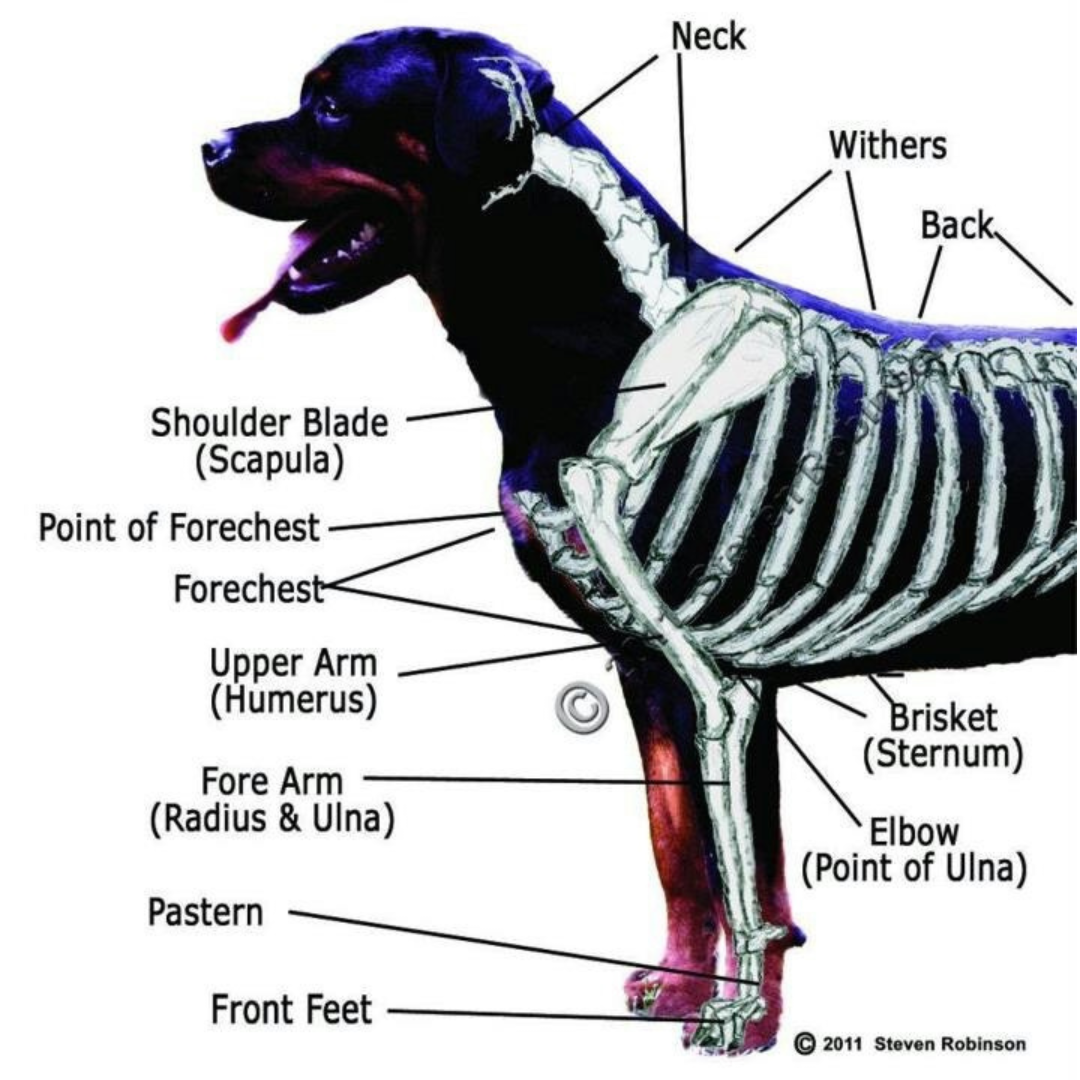
FRONT ASSEMBLY
- Correct: Long, laid-back shoulders with equal-length upper arms keep elbows under the body and provide reach.
- Fault: Straight shoulders or short upper arms reduce reach, forcing wasted “high-stepping” action.
- Consequence: A dog that tires easily, lacks efficiency, and breaks down under work.
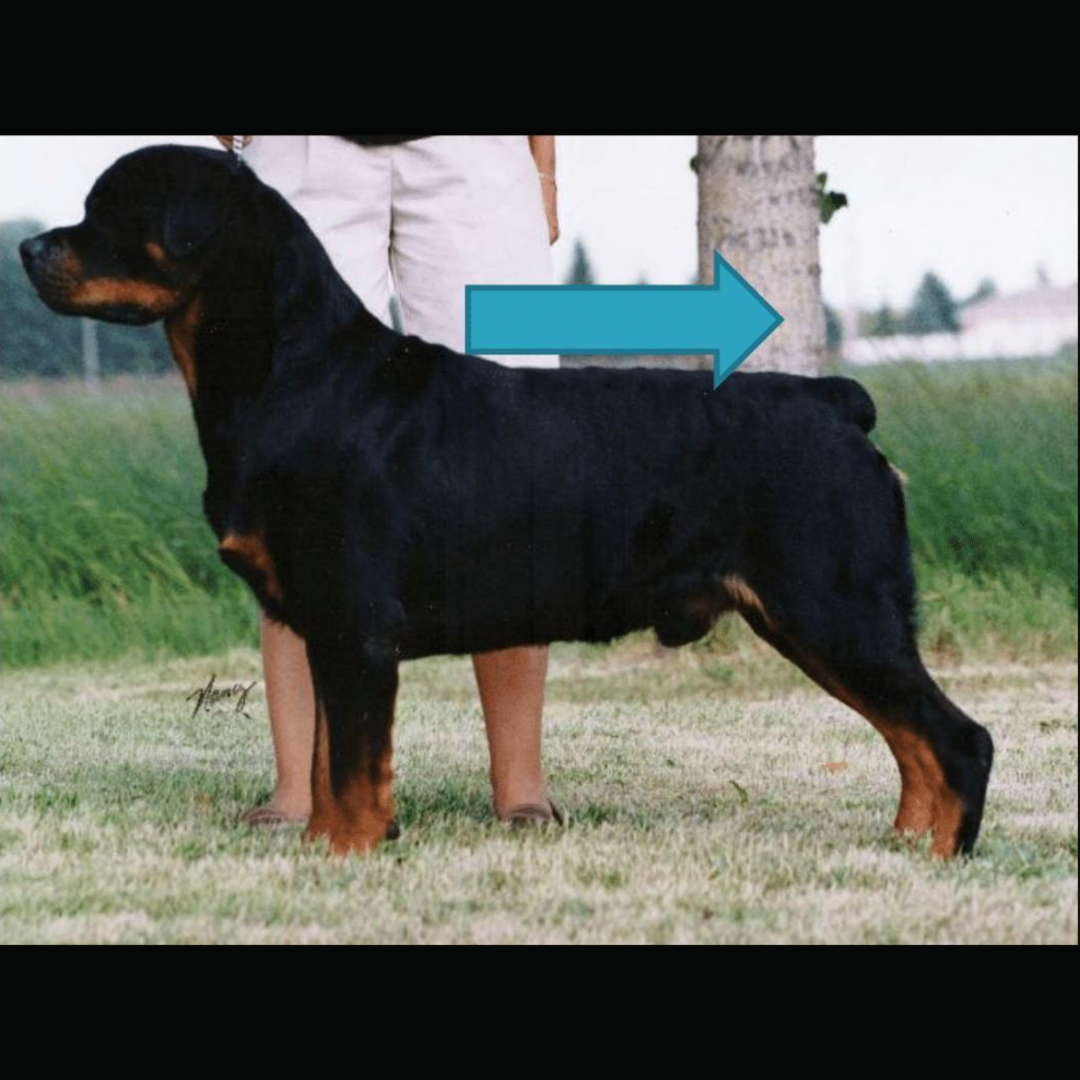
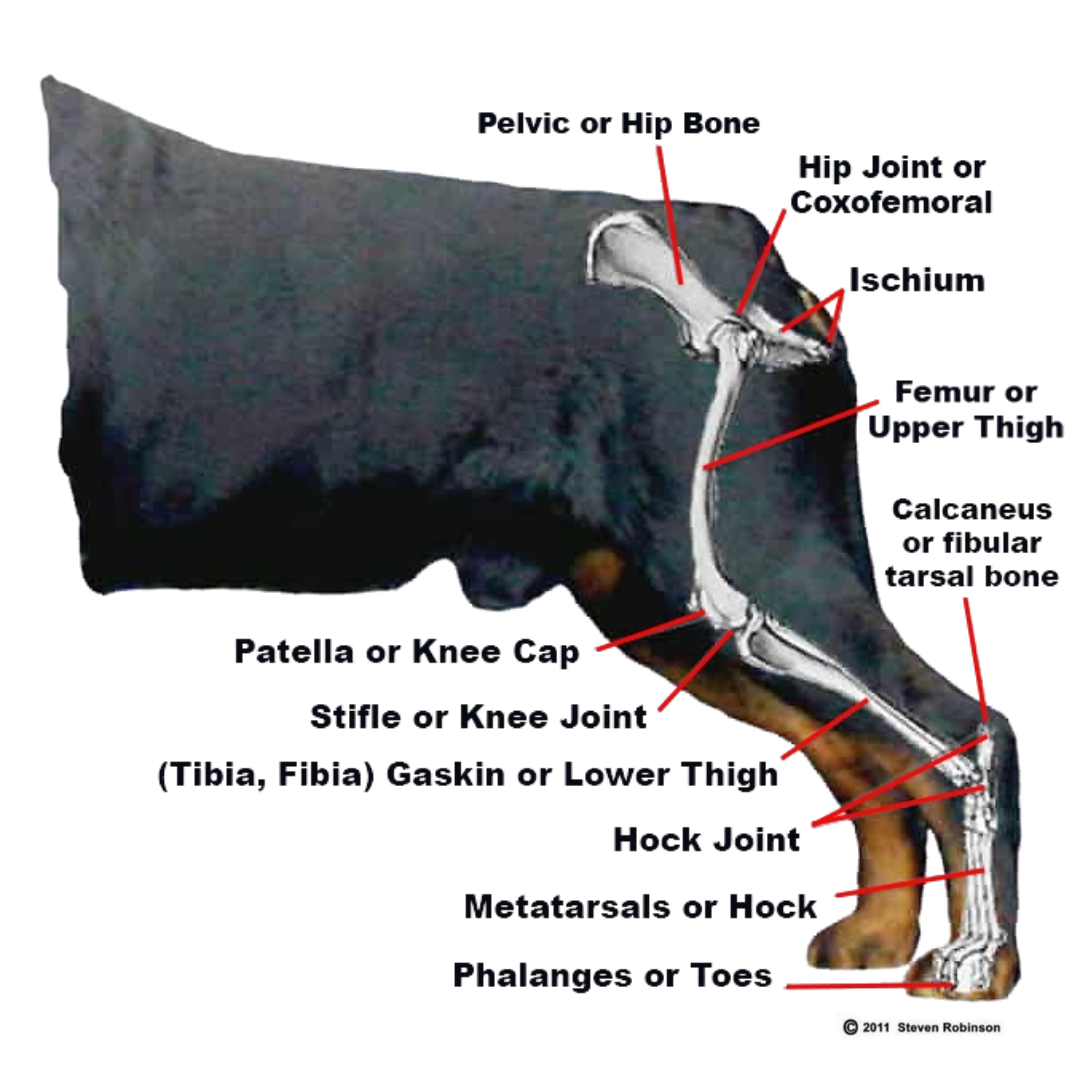
Breeder’s Warning: Once correct shoulders, heads, or toplines are lost in your program, they can take generations — or may never — be regained. Preserve them at all costs.
A well-bred Rottweiler is the definition of harmony. Balance between the front and rear assemblies produces smooth, ground-covering movement. A correct Rottweiler moves with purpose: head forward, topline firm, limbs converging toward center as speed increases.
The trot is the truth-teller of structure. In the ring, Rottweilers are judged at this gait because it exposes both virtues and weaknesses.
- Coming & Going: Legs move in straight planes, converging toward the center line without flipping or weaving.
- Side Gait: Reach in front must equal drive behind; topline remains strong and level.
- Common Faults:
- Overreaching: Rear drive outpaces front reach
- Crabbing: Body moves diagonally, not straight
- Cow-hocks: Inward turning hocks from behind
Breeder’s Eye Exercise: Watch your dog on a loose lead at a moderate trot. Do the rear pads flash into view? Does the topline stay steady? Smooth, efficient movement is the hallmark of sound breeding.
Understanding gait and observing dogs in motion is a critical skill for breeders. Learn more in this video.
Interactive Idea: Move the slider below to review the angles of structure & movement vs. the example in practice.
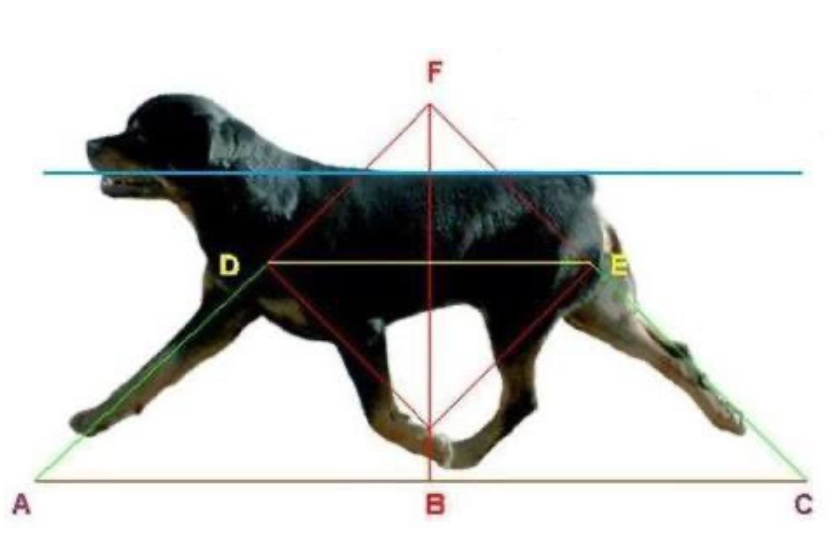
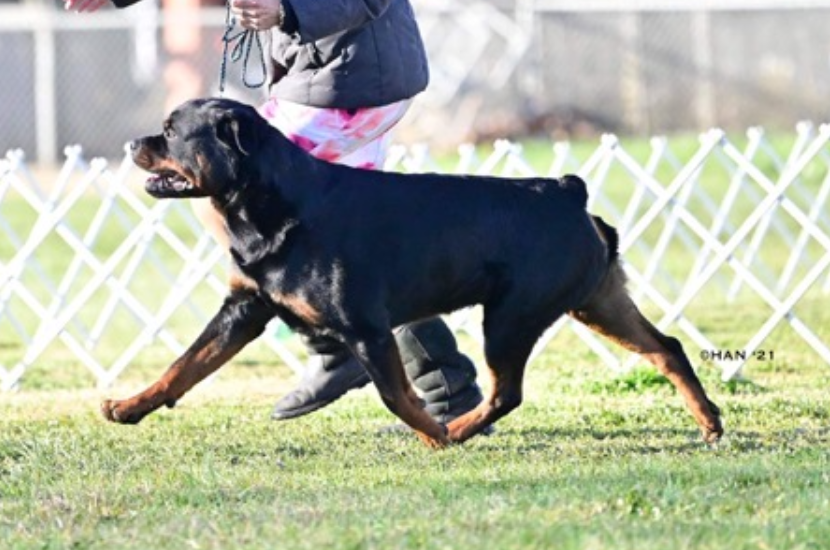
The tail isn’t just an accessory—it’s part of the outline and balance that make a Rottweiler unmistakable. Whether natural or docked, the tail should extend cleanly from the topline, completing the picture of a compact, powerful working dog.
-
Natural tail: strong, straight off the topline, with a slight curve when alert.
-
Docked tail: short and balanced, in line with the body.
-
Faults: ring tails, kinks, or sideways carriage that break the outline.
Key Insight: Watch the tail in motion—it tells you about structure, croup assembly, and even confidence.
ARC Membership Requirement: Breeders must give equal consideration to both docked and natural tails, as stated in the ARC-approved Breed Summary. No bias should influence evaluation or breeding choices.

The Rottweiler’s hallmark is its calm, confident, courageous temperament. This is the trait that makes the breed trustworthy as a guardian, competitor, and family dog. The standard calls for a dog that is reserved yet approachable, never nervous or needlessly aggressive.
-
Protective but not reckless.
-
Aloof but not shy.
-
Confident without hostility.
Educational Tip: Temperament faults can undo decades of careful breeding. A structurally correct dog without the right temperament should never be part of a breeding program.
ARC Membership Requirement: ARC’s Mandatory Practices prohibit breeding dogs with unstable or aggressive temperaments. Every breeder is responsible for producing mentally stable Rottweilers that honor the breed’s purpose.
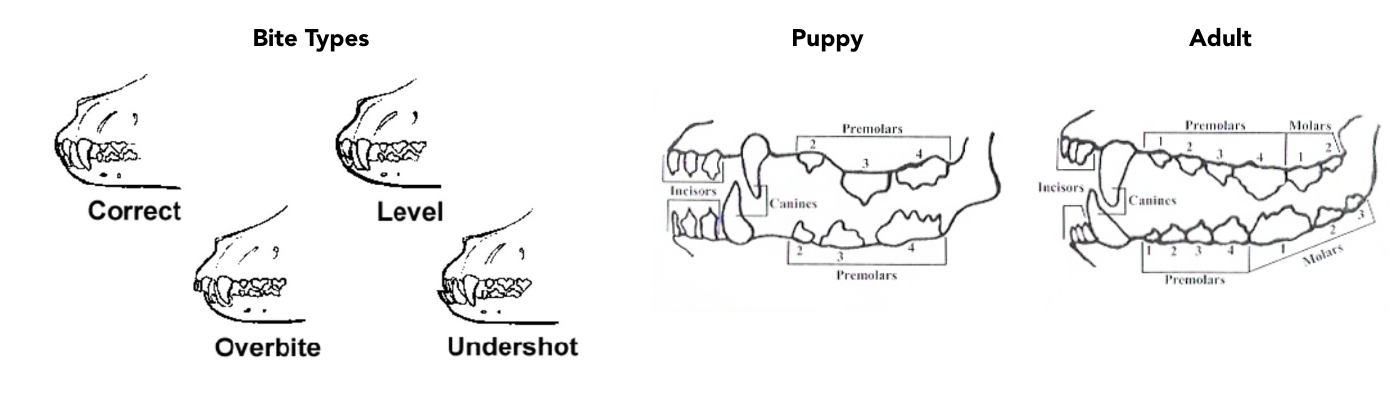
Strong teeth and correct bite are essential for type and function. The breed standard calls for a scissors bite with a complete set of 42 teeth. This isn’t optional—it’s a cornerstone of breed integrity.
-
Correct: Scissor bite with full dentition.
-
Faults: Level bite or single missing tooth.
-
Disqualifications: Overshot, undershot, wry mouth, or two or more missing teeth.
Breeder Reminder: Always check dentition early and often. Small oversights here can become generational problems that are nearly impossible to repair.
ARC Membership Requirement: ARC members must adhere to the AKC breed standard, which requires full dentition and a correct bite. Dogs with disqualifying dentition faults may not be bred under ARC’s Mandatory Practices.
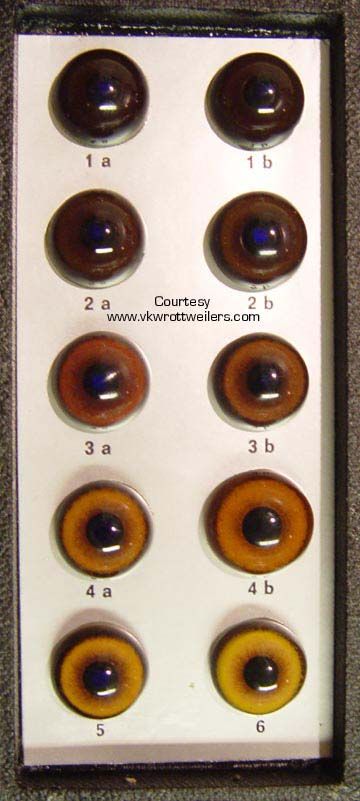
The ARC Breed Standard Evaluation (BSE) is more than a test—it’s a way to safeguard the breed’s future by making sure every Rottweiler’s temperament matches the standard. A beautiful outline means little if the dog is unstable, shy, or overly aggressive. The BSE confirms a dog is confident, courageous, and self-assured—the qualities that define the Rottweiler.
-
A correct Rottweiler is calm and steady under pressure.
-
Shyness, instability, or unwarranted aggression are disqualifications.
-
Passing a BSE demonstrates that a dog is both breed-typical and mentally sound.
Breeder Insight: Breeding without proving temperament through a BSE risks producing puppies who may not embody the stable, reliable nature of the breed.
ARC Membership Requirement: All breeding stock must demonstrate correct temperament. The BSE is strongly recommended by ARC as a tool to verify breeding suitability.
Puppy grading is an art and science — and it begins early.
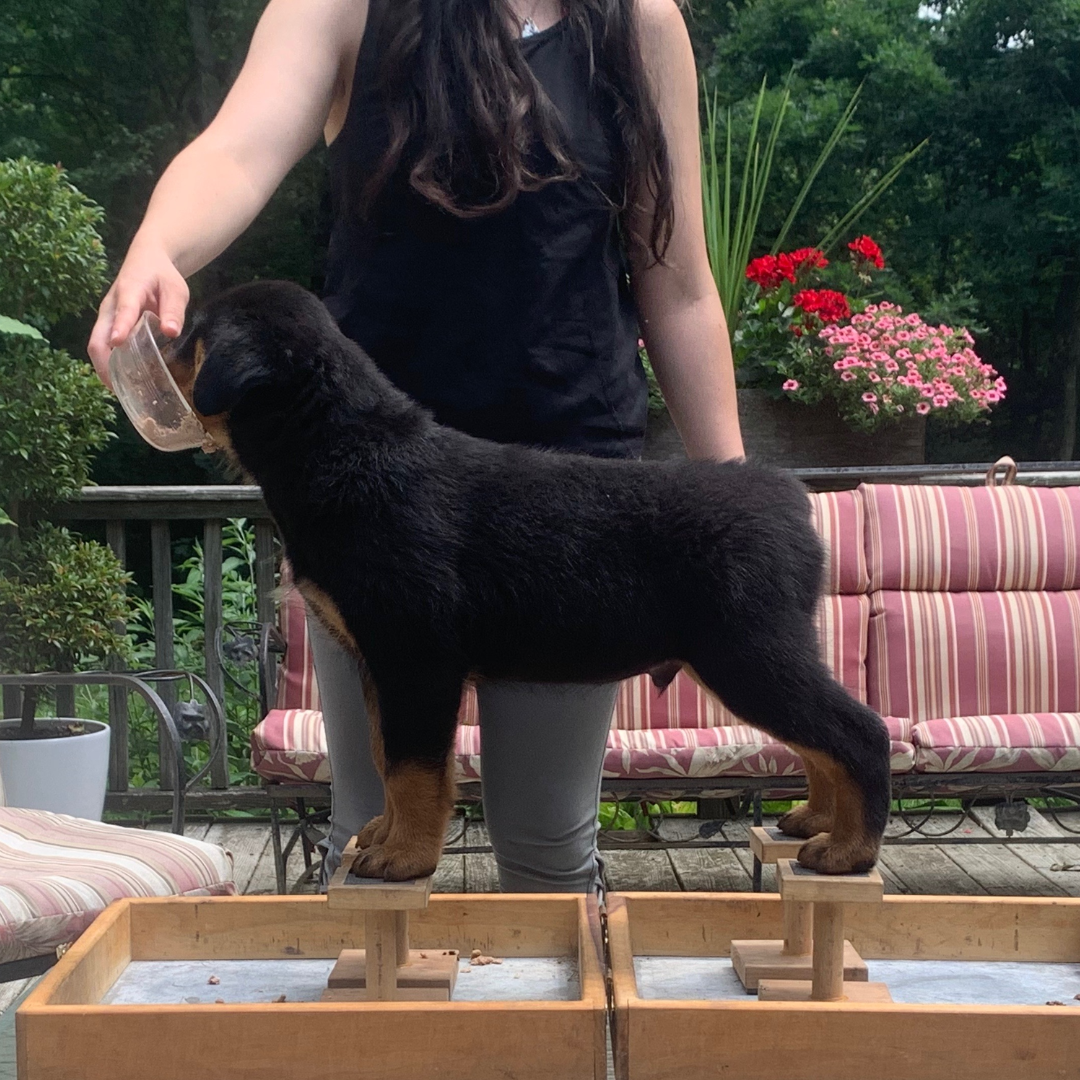
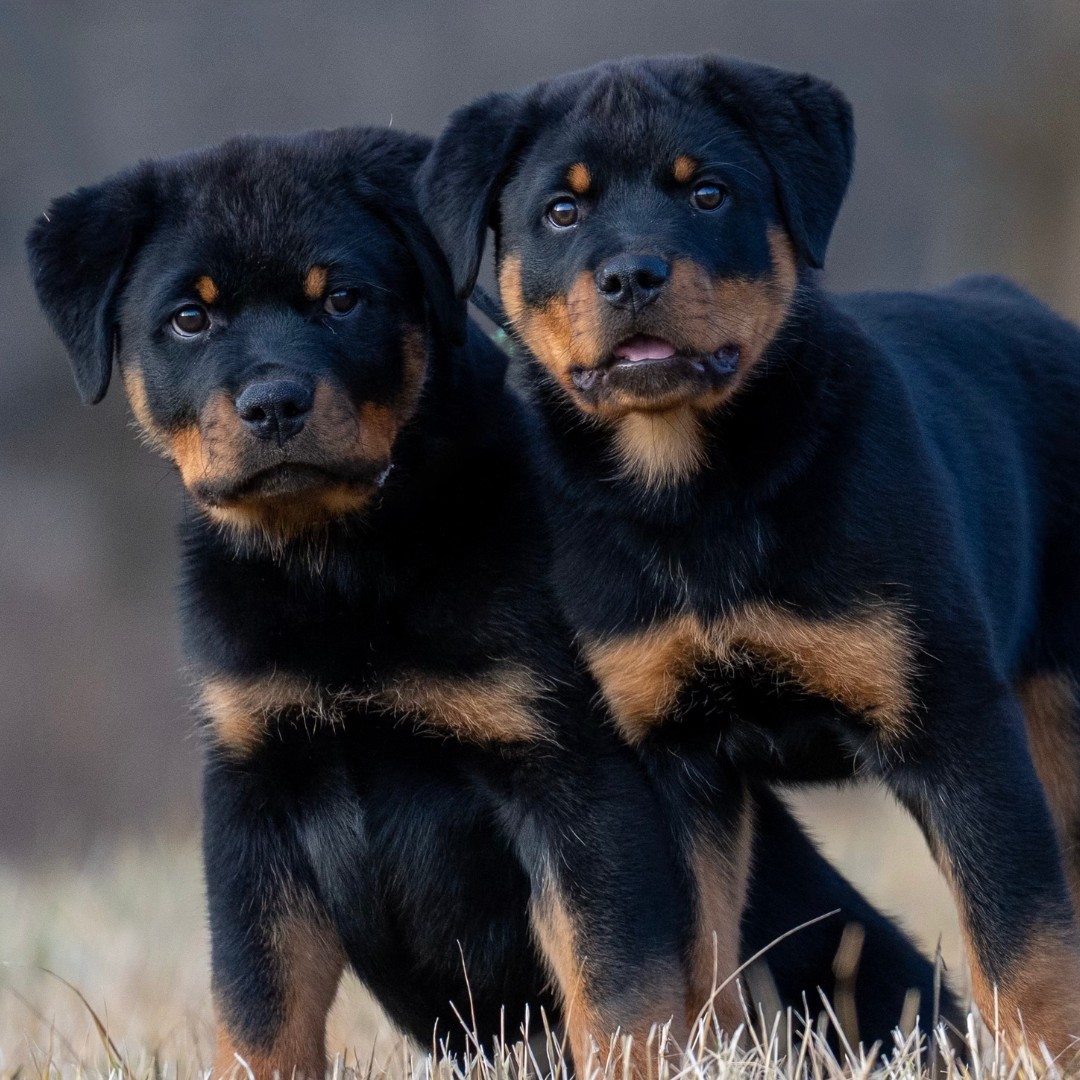
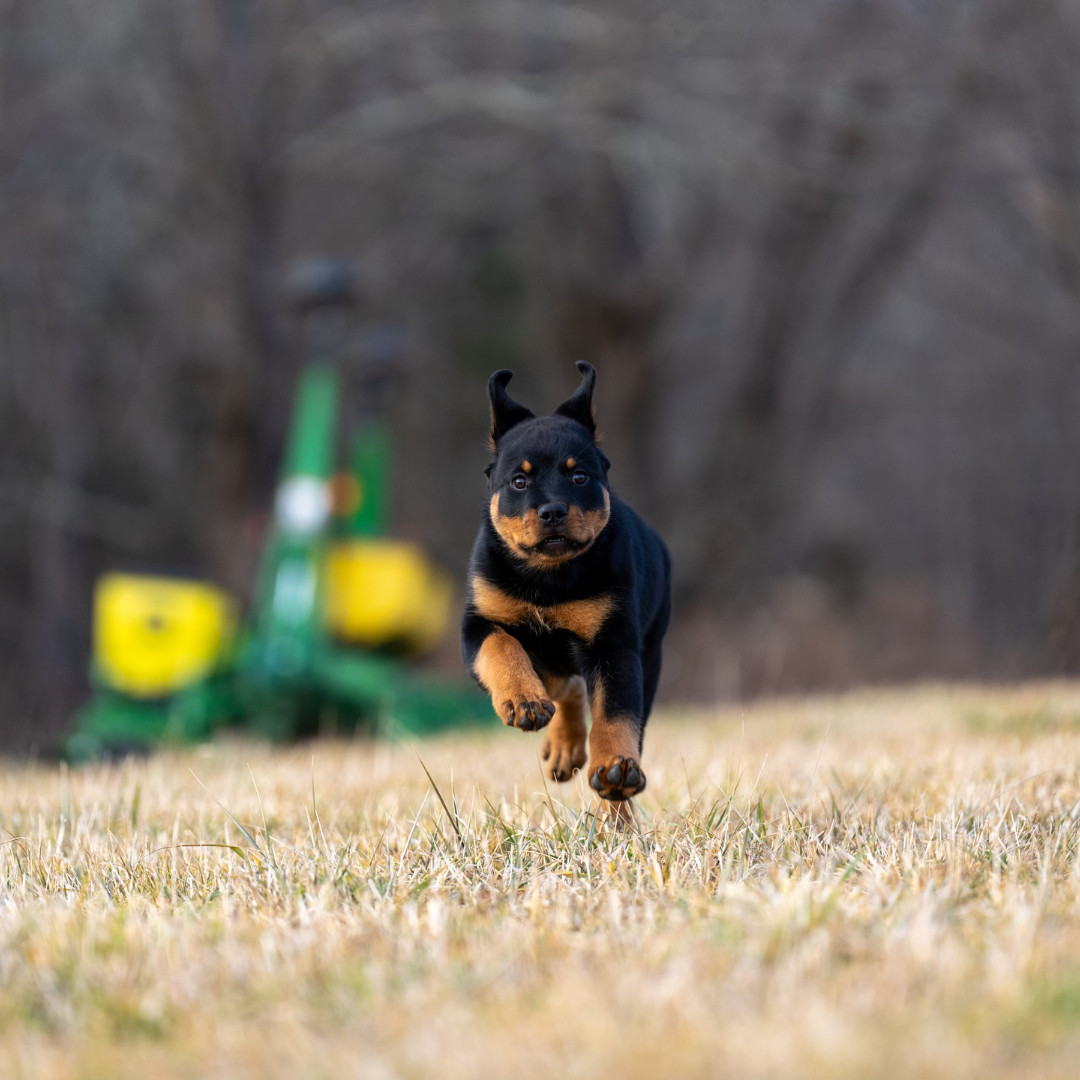
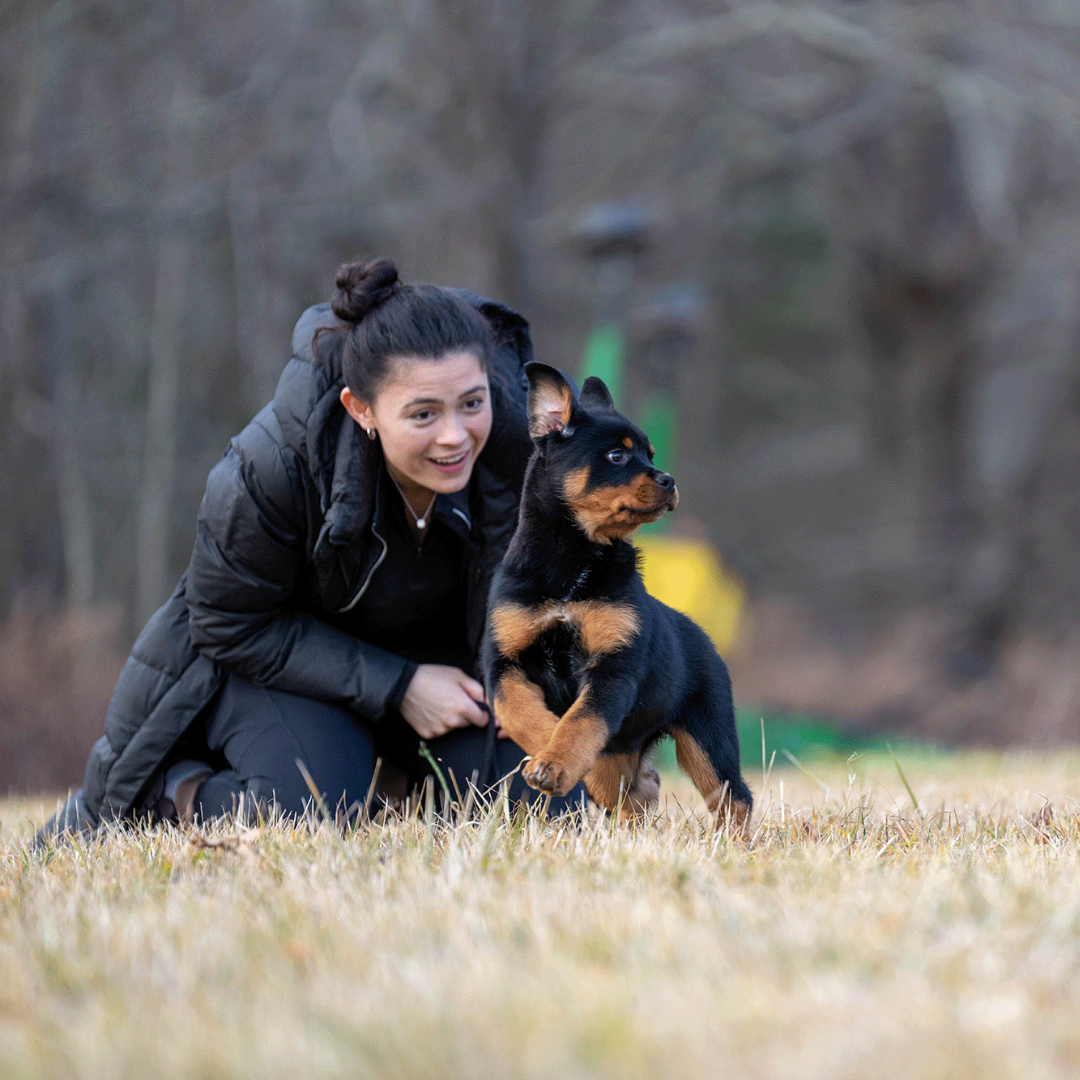
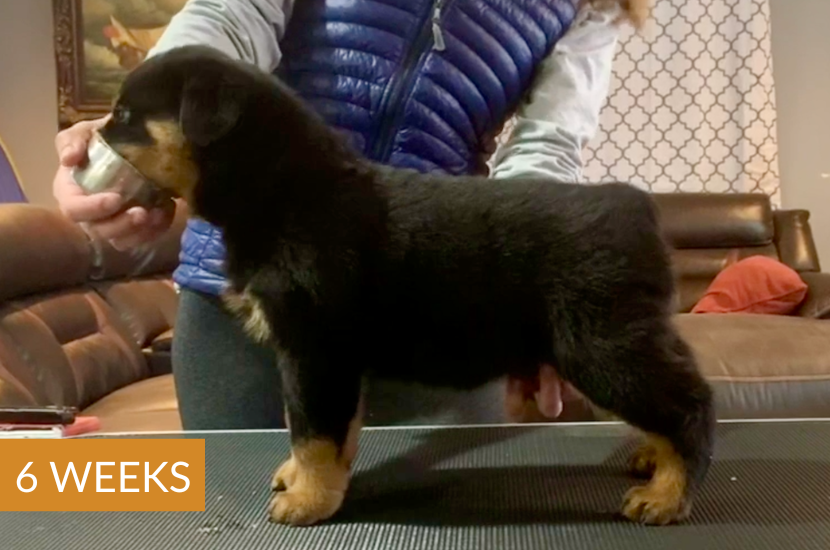
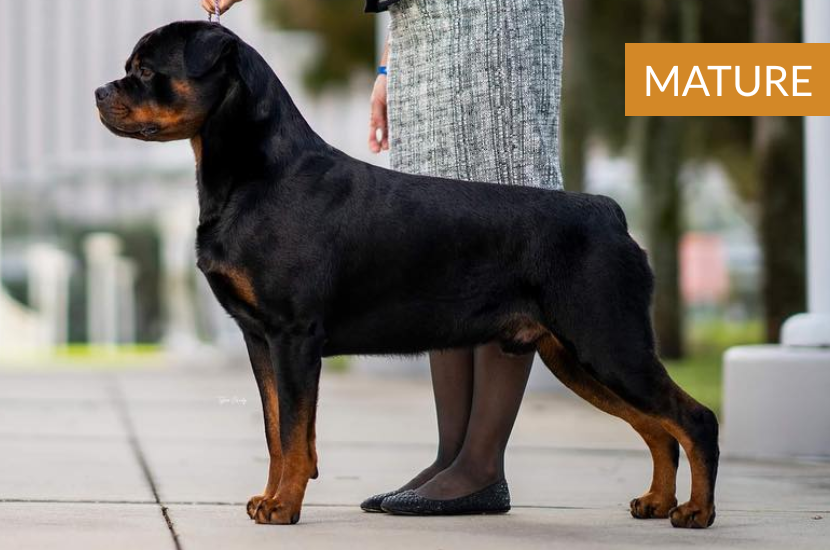
The 7–8 week window is critical for evaluation. At this age, toplines, angulation, balance, and temperament can be assessed before growth spurts mask them. Photos and side-by-side comparisons reveal what eyes might miss.
- 3–5 weeks: Note confidence, curiosity, and boldness.
- 7–8 weeks: The critical window to evaluate structure before growth spurts distort balance.
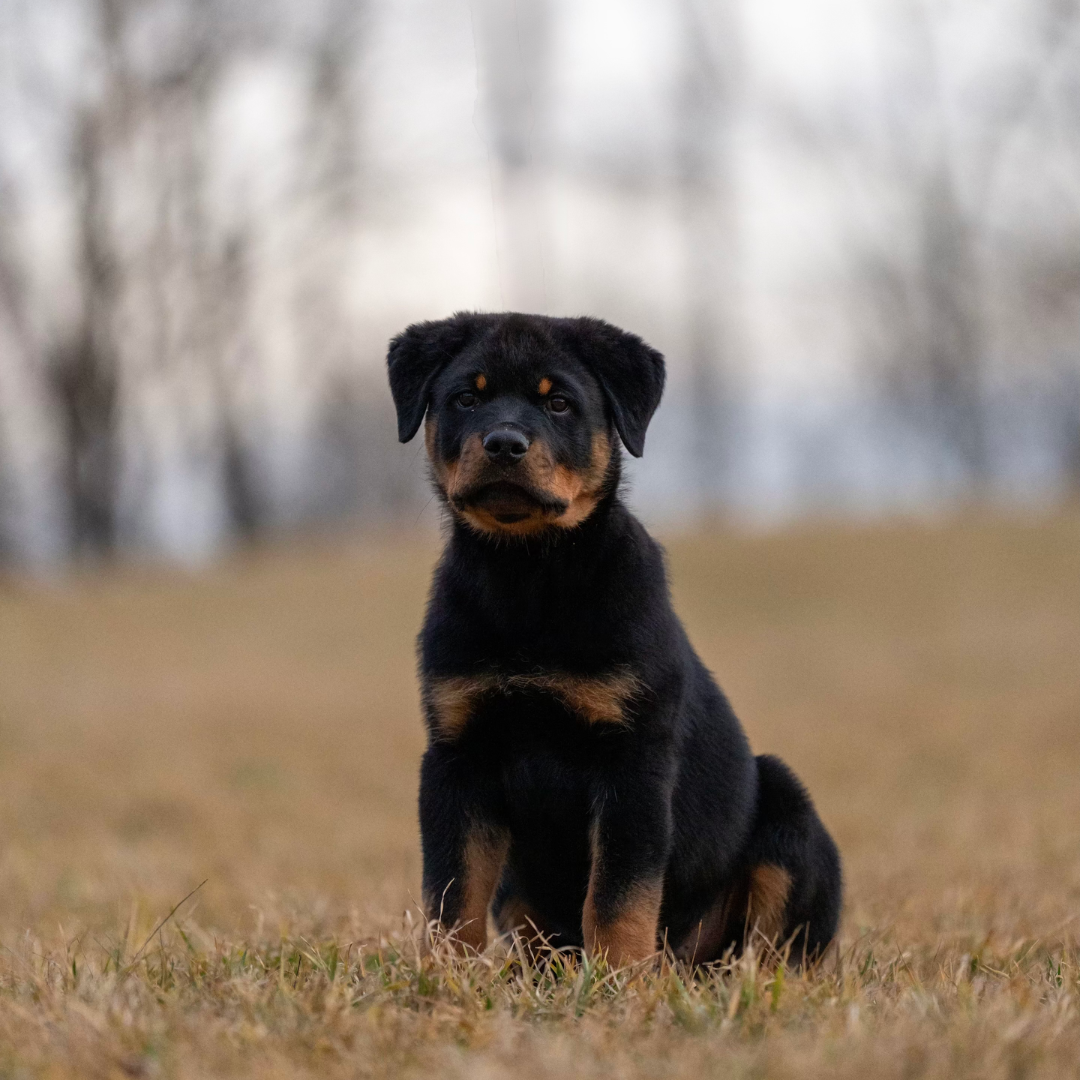
What to Look For:
- A square, balanced stance with visible forechest
- Proper shoulder and rear angulation
- Straight, strong pasterns
- Level topline and correct tail set
Golden Rule: Never sell as a show prospect a puppy you wouldn’t buy yourself.
Why Photos Matter: Puppies freeze in photos, allowing breeders to study angles and proportions without distraction.
ARC Membership Requirement: Puppies must not leave the breeder’s care before 7 weeks of age. Puppies sold as companions must go on AKC Limited Registration.
Because Rottweilers are alert and protective, approach matters.
Judges and breeders alike must understand proper handling. Approach confidently from an angle, avoid direct eye contact, and respect the breed’s alert nature. Quick, efficient, and respectful examinations are essential.
✅ Do: Be confident, calm, and efficient
❌ Don’t: Grab the head, kneel, or over-handle
Approach: Confident, slightly angled, no direct eye contact (seen as a challenge).
Examination: Efficient and respectful — assess dentition, testicles, coat, and structure with firm but gentle hands.
Handler Partnership: Ask the handler to show the bite; avoid grabbing or rough manipulation.
Remember: A Rottweiler doesn’t require a heavy hand. Their structure is best revealed in motion.
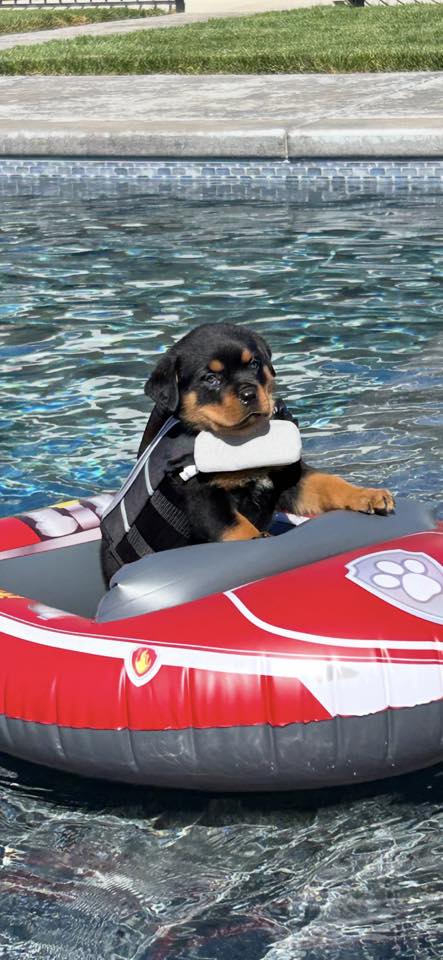
Breeding is only half the equation — how you raise puppies determines much of their success.
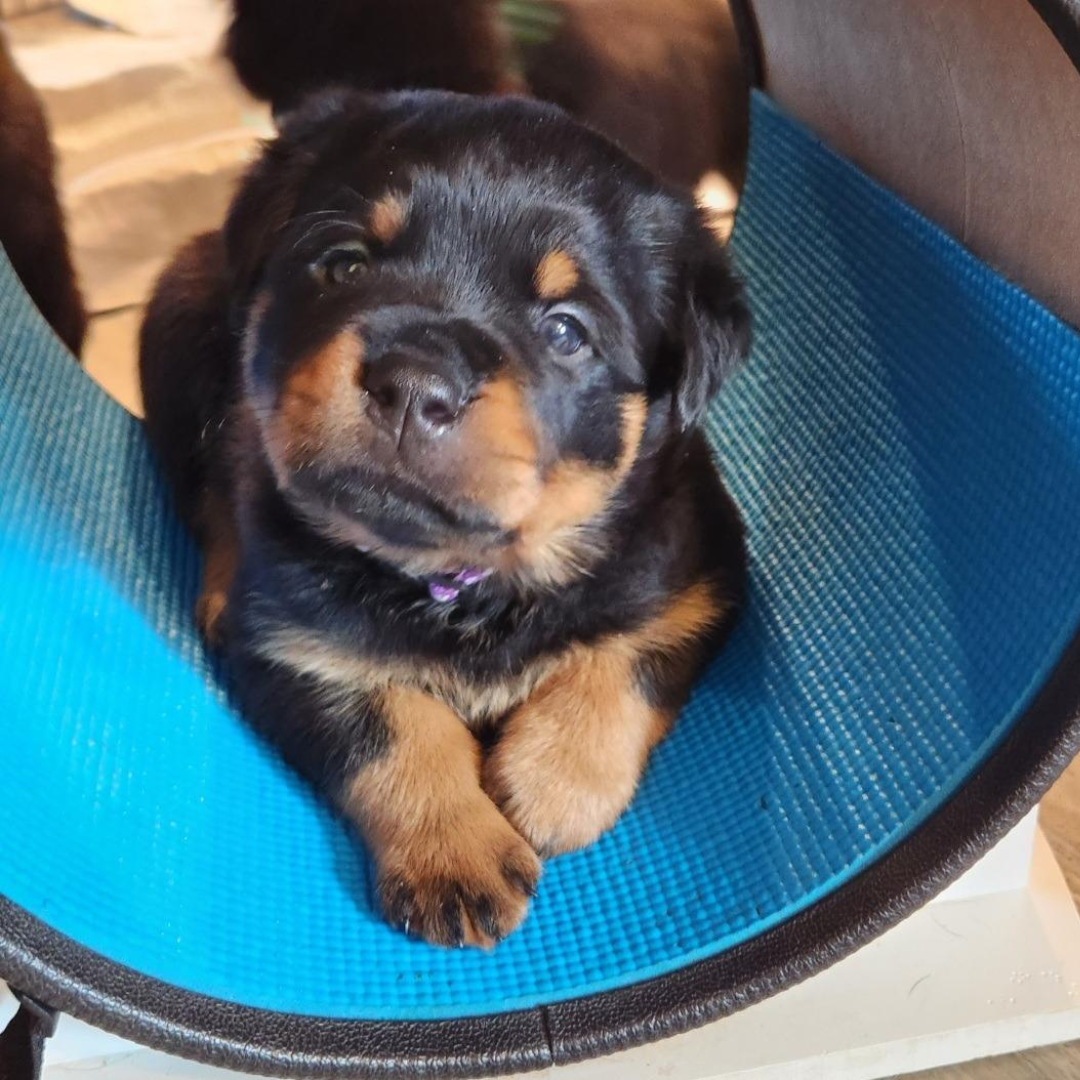
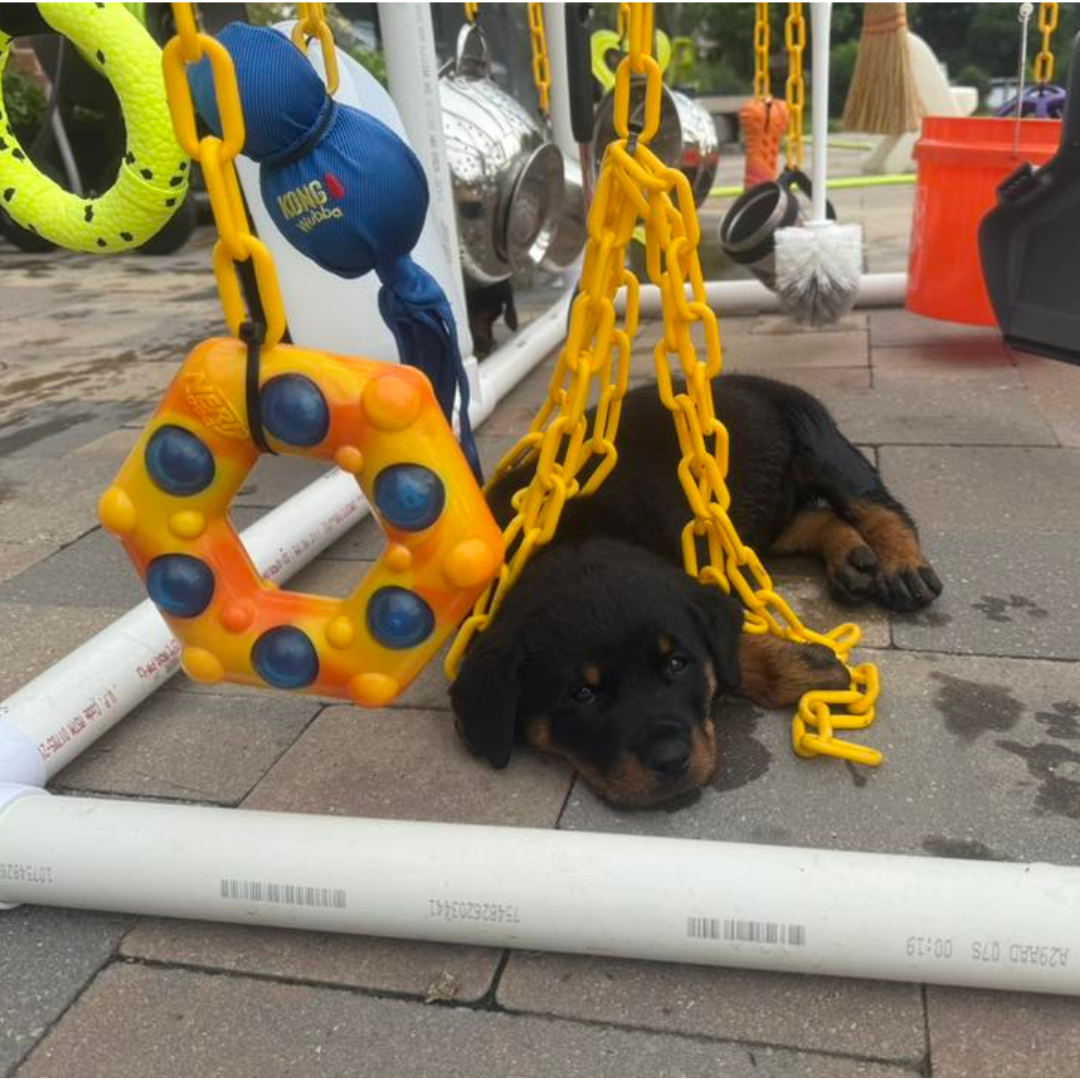
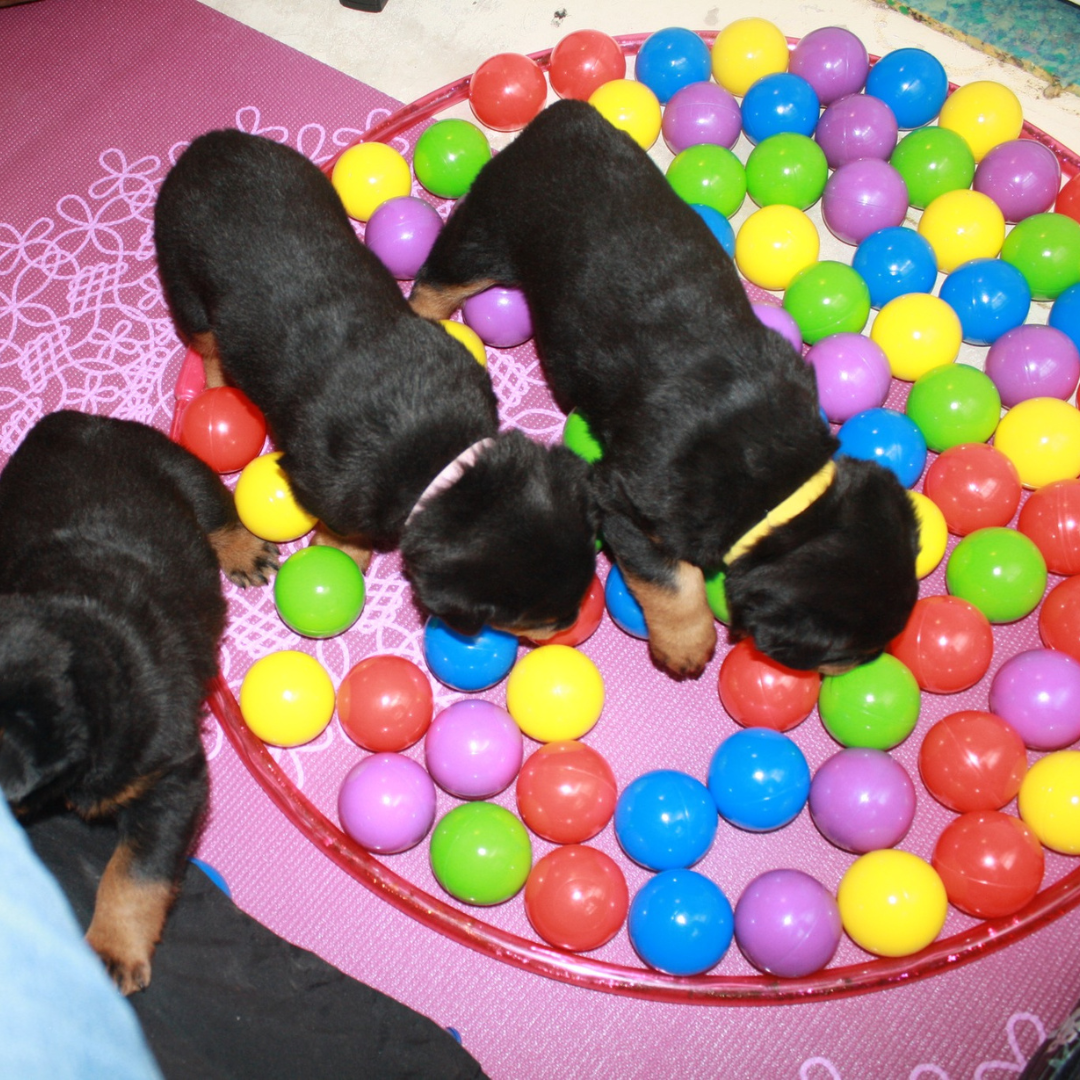
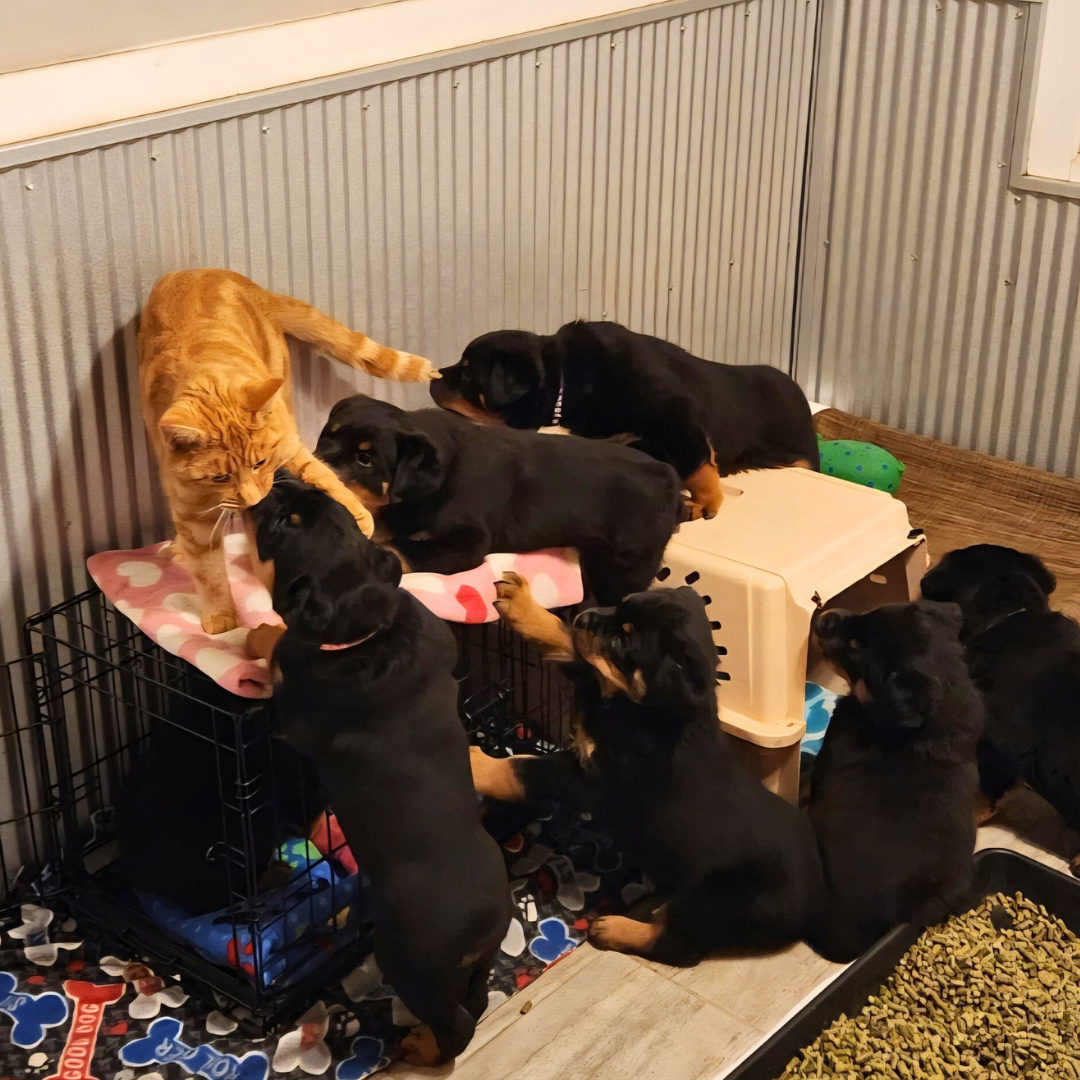
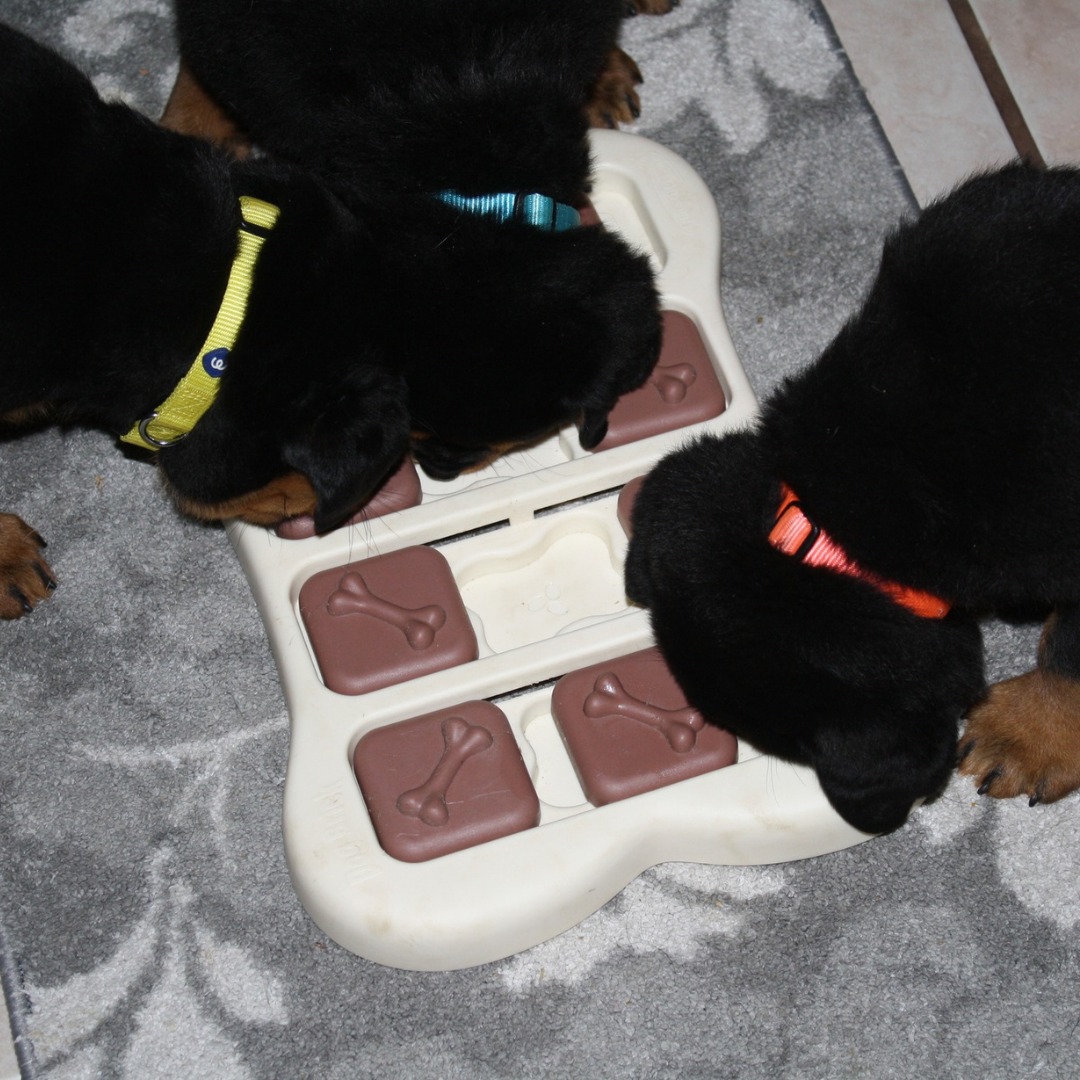
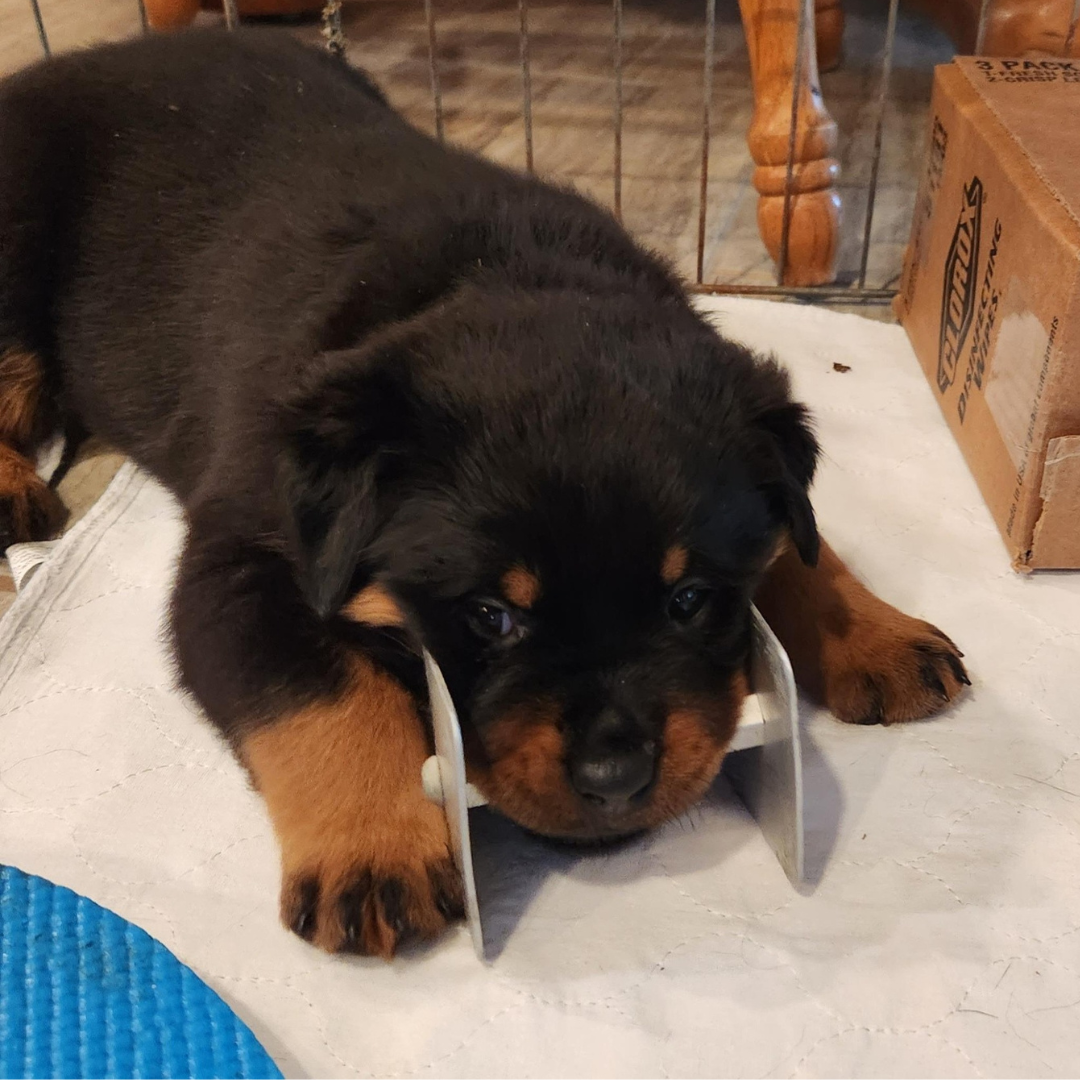
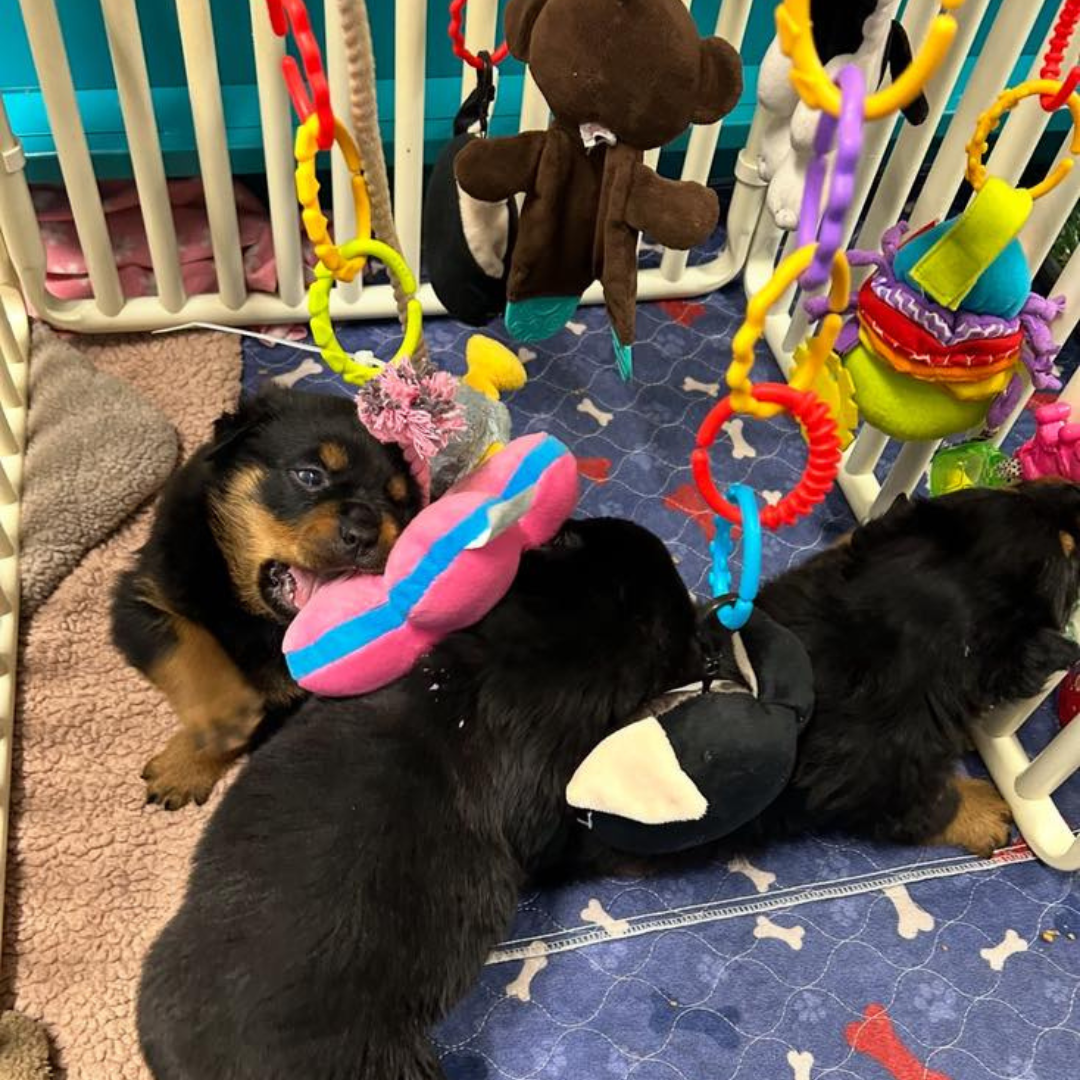
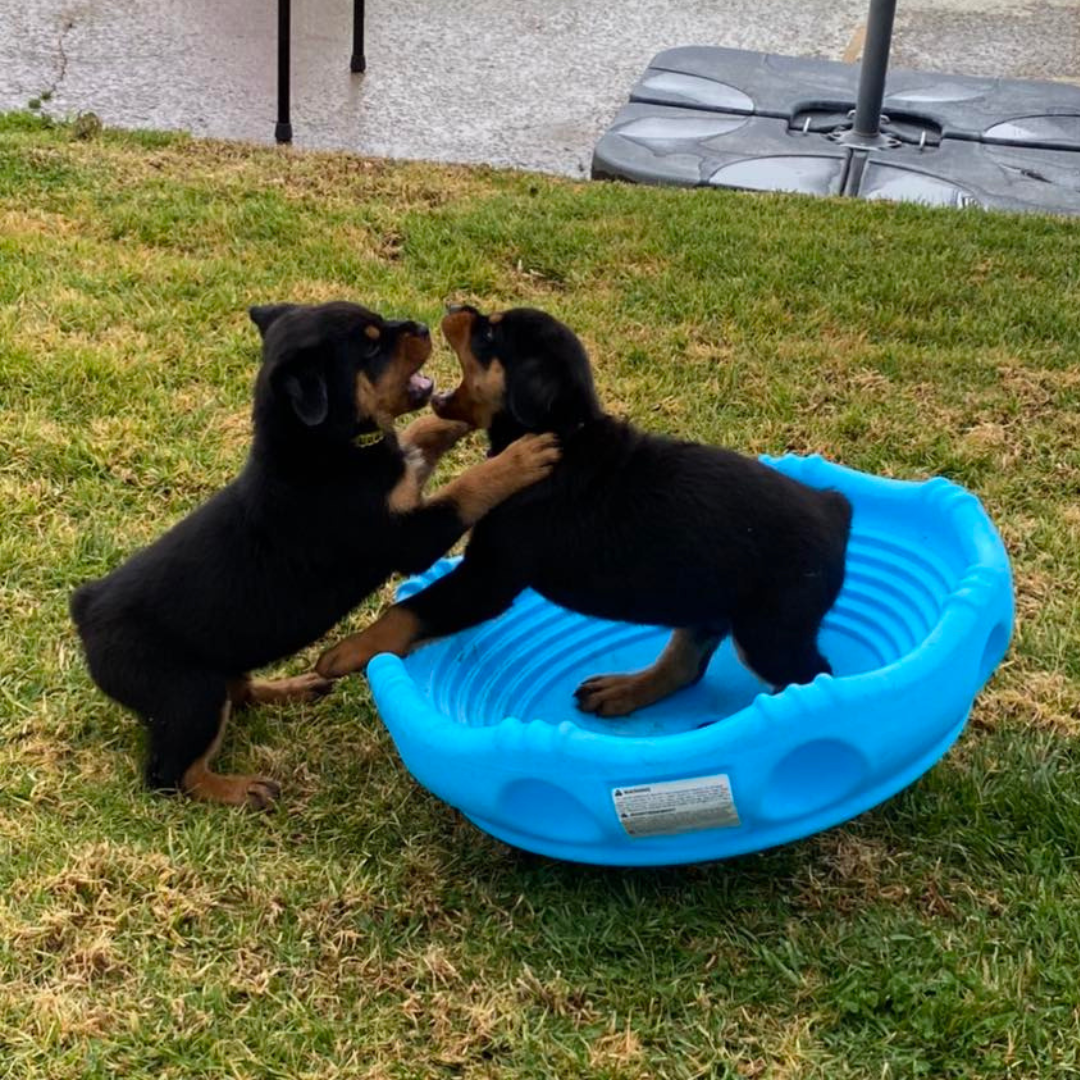
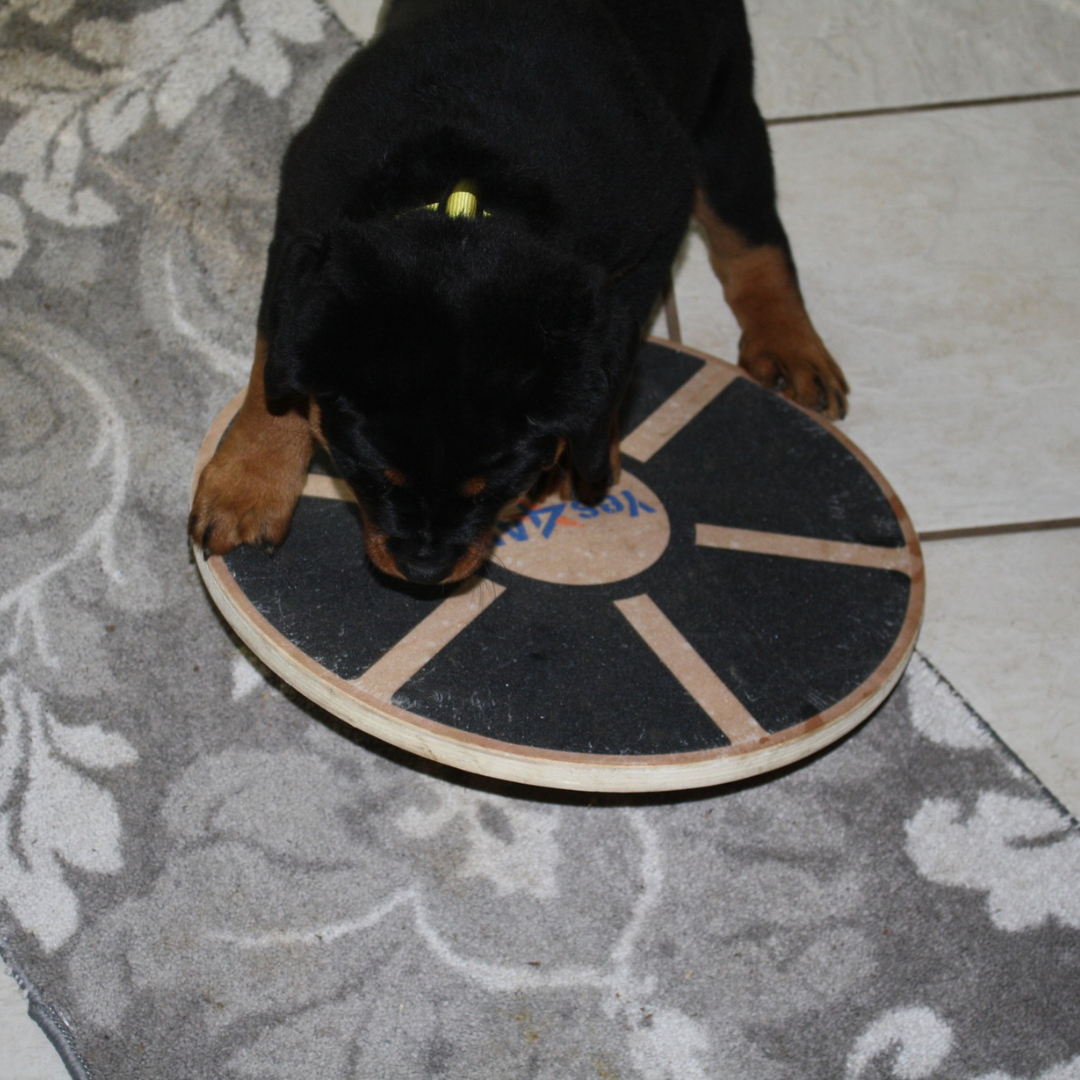
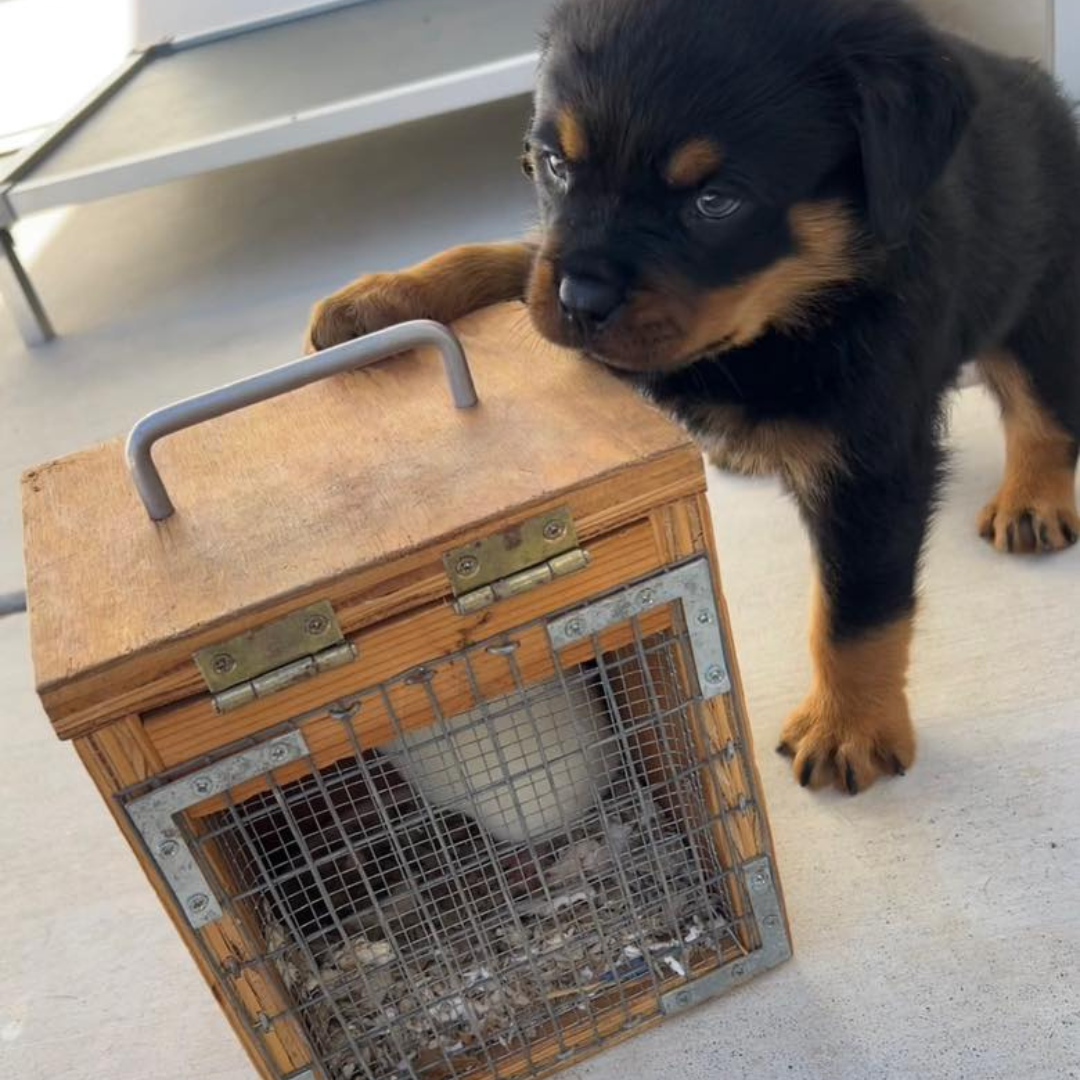
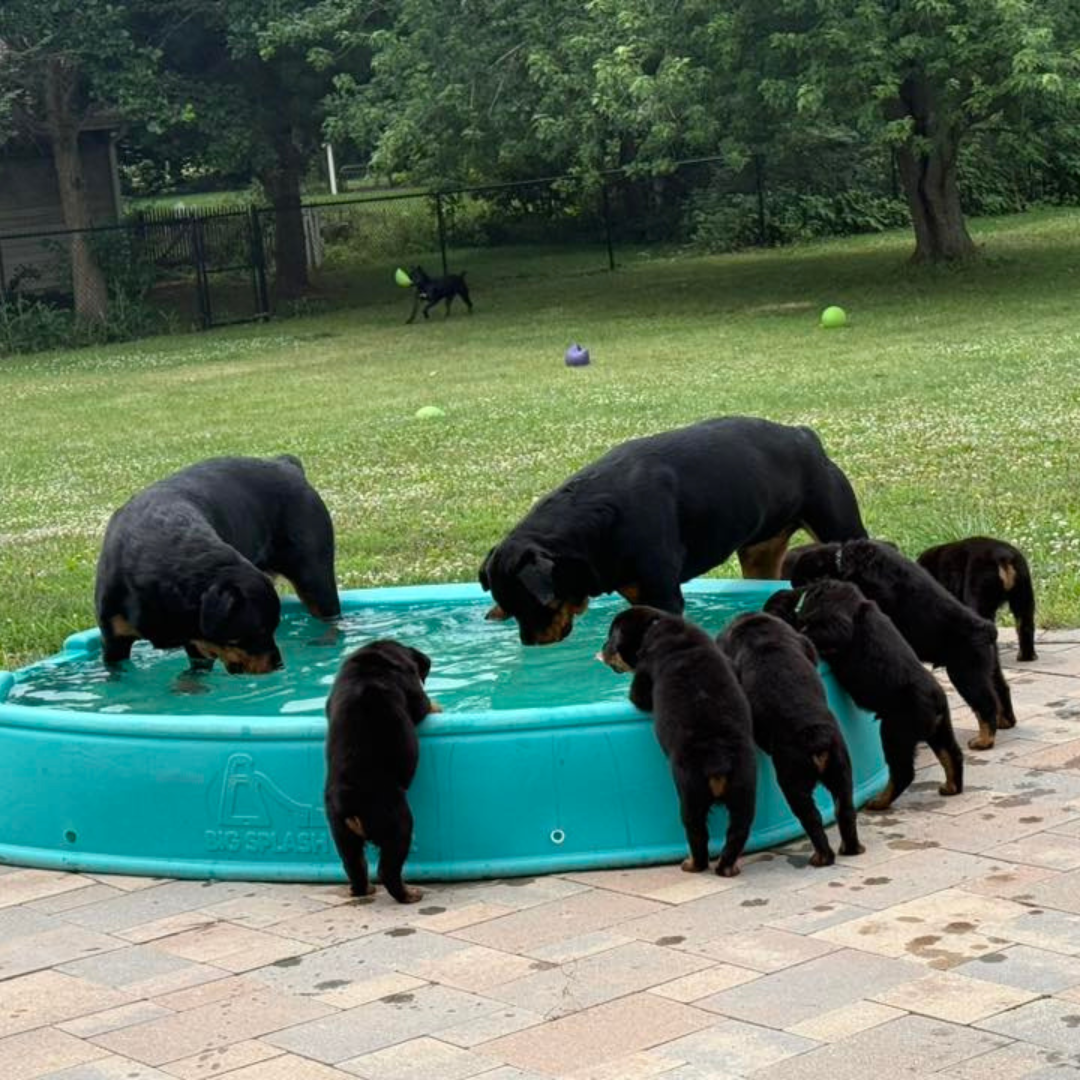
A confident, adaptable Rottweiler doesn’t happen by chance — it’s built from the first days of life. Early neurological stimulation, enriched play environments, and DHA-rich nutrition improve resilience, learning, and health for life.
- Neurological Stimulation: The Bio-Sensor program (3–16 days) boosts stress resilience and learning ability.
- Enrichment: Puppies raised with varied sights, sounds, textures, and challenges explore more, learn faster, and adjust better.
- Nutrition: DHA and omega-3 fatty acids sharpen memory, problem-solving, and trainability.
Well-raised puppies transition smoothly to new homes, impress families, and uphold the breeder’s reputation.
Educational Tip: The five “Bio-Sensor” exercises (tactile, head up, head down, supine, cold towel) practiced daily can make puppies more adaptable to stress later in life.
Ethics are what separate true preservation breeders from mere producers. Ethical breeders protect the breed’s integrity, while careless breeding floods pedigrees with mediocrity.
Being a breeder is not just about producing the next champion — it’s about protecting every puppy you bring into the world.
- Written contracts are required for all stud services, breedings, and puppy/adult sales.
- No bitch may be bred more than two consecutive seasons.
- Dogs may never be sold through raffles, auctions, pet shops, or as prizes.
- Every breeder holds lifetime responsibility for every puppy they produce.
Breeding Ethics in Practice
- It is better to maintain a smaller breeding program of outstanding quality than to produce large numbers of mediocre dogs.
- Written, signed contracts are required for all stud services, bitch breedings, and puppy/adult sales.
- Bitches may not be bred more than two consecutive seasons.
Puppies and adults may never be sold through auctions, raffles, shelters, or as prizes.
ARC Membership Requirement: These practices are mandatory for all ARC members. Breeders must accept returns or assist with rehoming at any stage of the dog’s life.
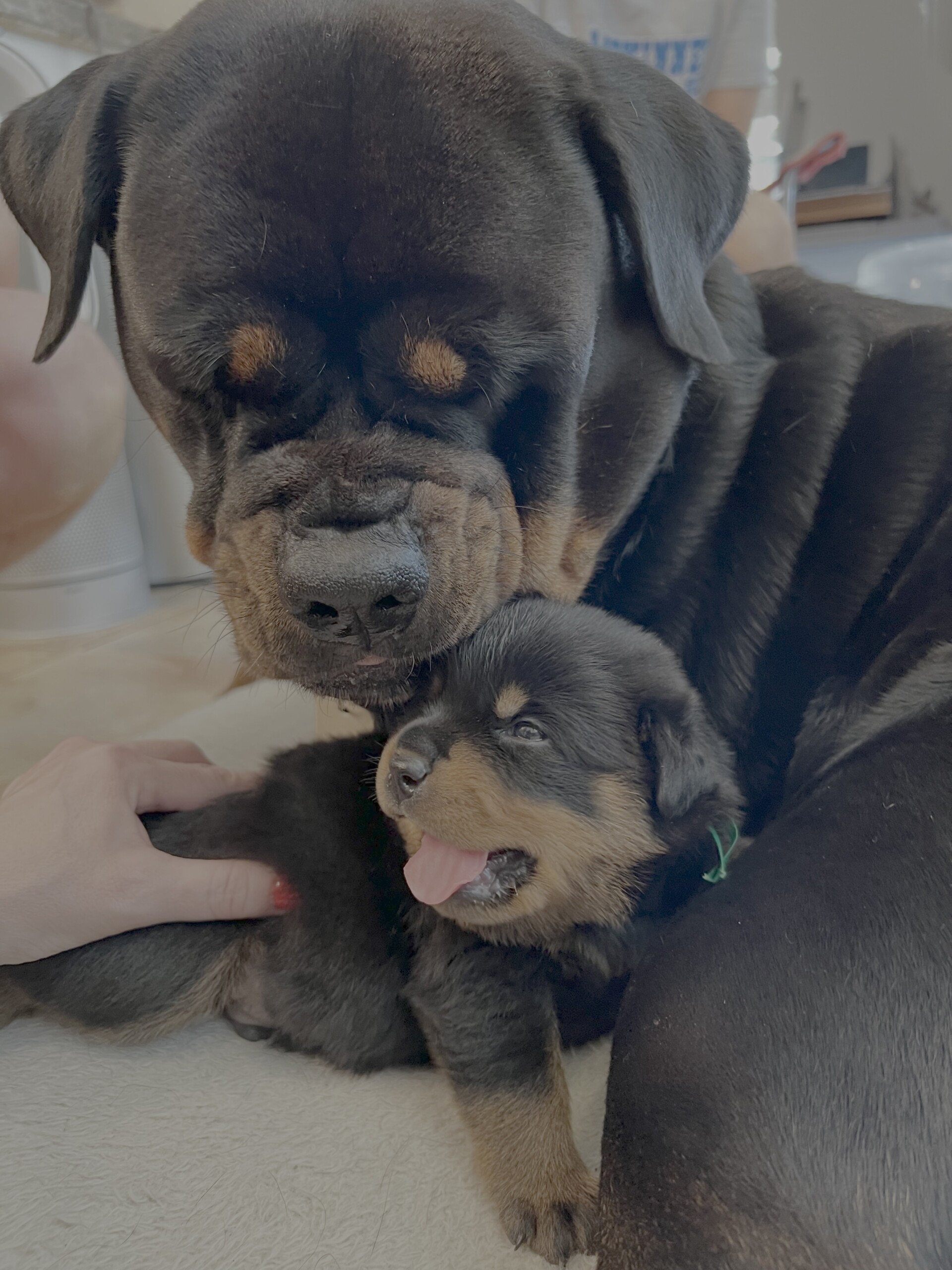
BREEDER STORIES
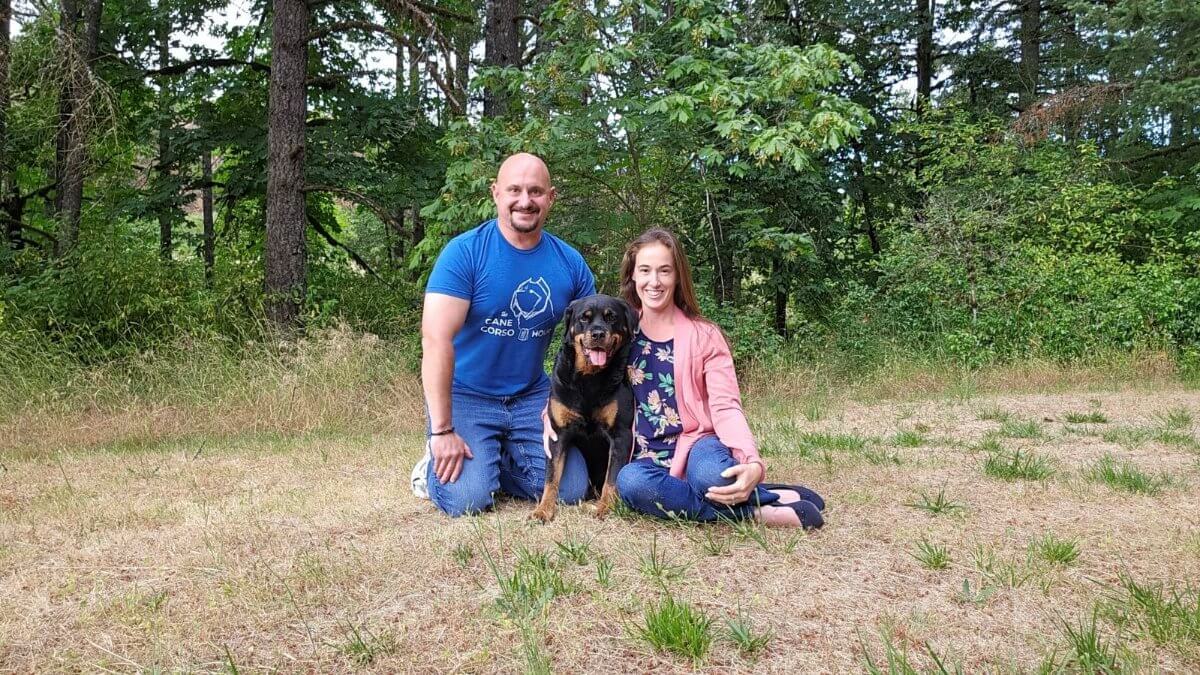
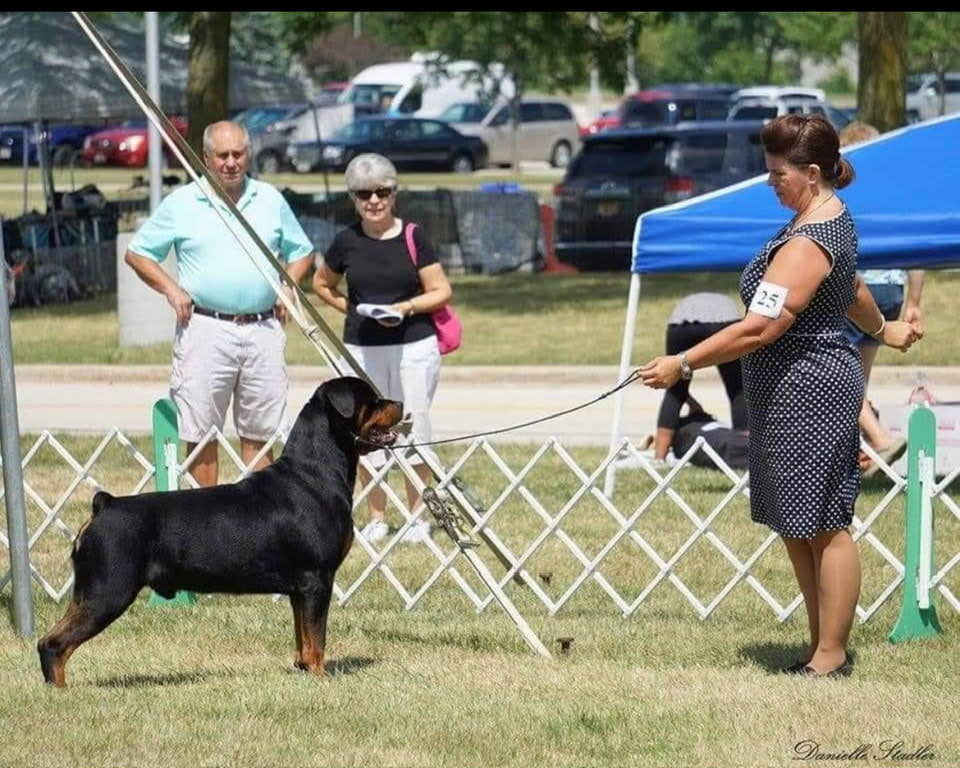
A seasoned Preservation Breeder celebrates 40 years in dogs, championing sound structure, versatile performance, and record-breaking success with Rottweiler bitches while reminding us that beneath their power, they’re lovable couch potatoes at heart.
Loretta Pyeatt, Loral Rottweilers
CLICK TO BUY